Missed Miscarriage: Causes, Symptoms and Treatments


Pregnancy is one of the most beautiful phases in a woman’s life. However, sometimes complications occur silently, without any noticeable signs — one such condition is a missed miscarriage. Unlike a typical miscarriage, a missed miscarriage doesn’t show obvious symptoms like heavy bleeding or cramping. That’s why understanding the signs of missed miscarriage, its causes, and available treatments is crucial for early diagnosis and emotional recovery.
In this article, we’ll explore in detail what a missed miscarriage is, the common symptoms, possible causes, and treatment options — along with how to take care of your body afterward.
A missed miscarriage, also known as a silent miscarriage or missed abortion, occurs when the fetus stops developing in the womb, but the body doesn’t expel the pregnancy tissue immediately. This means the woman may still feel pregnant and may not experience typical miscarriage symptoms like bleeding or pain for days or even weeks.
Usually, a missed miscarriage is discovered during a routine ultrasound when no fetal heartbeat is detected. It can be emotionally devastating because the woman might have felt normal and unaware that the pregnancy has stopped progressing.
One of the reasons a missed miscarriage is called “silent” is because it often doesn’t show the usual signs of miscarriage. However, some subtle signs of missed miscarriage can help women identify if something might be wrong.
Here are the common signs of missed miscarriage:
If you suddenly stop feeling pregnant — for instance, your breast tenderness decreases, morning sickness disappears, or fatigue reduces — it might indicate hormonal changes due to a non-developing pregnancy.
In later weeks, lack of fetal movement or no growth in the belly size might signal a missed miscarriage, although this is more relevant in the second trimester.
Some women notice light spotting or brown discharge. Though not always serious, this could be an early warning sign of complications.
The most definitive sign of missed miscarriage is when the ultrasound shows no fetal heartbeat or no growth in the embryo compared to the previous scan.
Unlike a typical miscarriage, there’s often no cramping or bleeding, which makes it difficult for women to realize what’s happening without a scan.
There’s no single reason for a missed miscarriage — often, it happens due to genetic, hormonal, or anatomical issues beyond anyone’s control. Understanding the missed miscarriage causes helps in emotional healing and preventing future complications.
Here are the common causes of missed miscarriage:
About 50–70% of missed miscarriages occur due to chromosomal issues in the embryo. These abnormalities prevent normal development, leading to the pregnancy ending naturally.
Conditions like thyroid disorders or low progesterone levels can interfere with the uterus’s ability to support a pregnancy.
Problems like fibroids, septate uterus, or scar tissue can affect implantation or blood supply to the embryo, causing pregnancy failure.
In rare cases, autoimmune conditions may cause the body to attack fetal cells mistakenly, resulting in miscarriage.
Smoking, alcohol consumption, excessive caffeine, or exposure to harmful chemicals may increase the risk of missed miscarriage.
Women above 35 years face a higher risk of chromosomal issues and hence are more prone to missed miscarriages.
Certain infections like cytomegalovirus (CMV), toxoplasmosis, or bacterial vaginosis can interfere with fetal development.
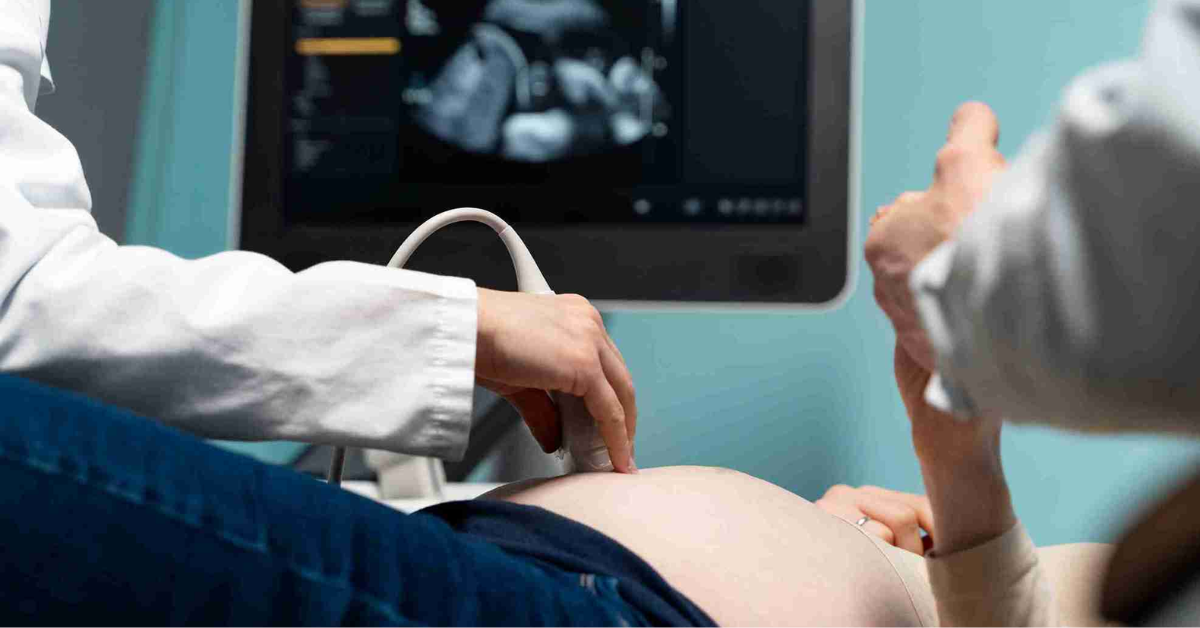
Since the symptoms are subtle, diagnosis usually happens through medical examination rather than physical signs.
A gynecologist may recommend the following:
Ultrasound Scan: The main diagnostic tool to confirm the absence of fetal heartbeat or growth.
Blood Tests (hCG Levels): Declining or stagnant hCG hormone levels may indicate pregnancy loss.
Physical Examination: To check for changes in the cervix or uterus.
If you suspect something unusual, it’s important to consult a trusted specialist immediately. For expert women’s health care and compassionate guidance, you can reach out to the
👉 Best Gynecologist in Rohini or
👉 Best Gynecologist in Punjabi Bagh.
Once diagnosed, your doctor will discuss treatment options based on your health, pregnancy stage, and emotional readiness. Here are the main missed miscarriage treatment options:
This approach allows your body to naturally expel the pregnancy tissue without medical intervention.
It may take a few days to weeks.
Suitable for early-stage missed miscarriages.
Your doctor will monitor you closely to ensure complete expulsion.
Medications such as misoprostol are prescribed to trigger the uterus to contract and remove pregnancy tissue.
It’s a non-surgical method.
Usually effective within a few days.
Mild cramping and bleeding are normal.
If the miscarriage tissue doesn’t pass naturally or with medication, a D&C procedure may be required.
It’s performed under anesthesia.
Helps clean the uterus completely.
Minimizes risk of infection or prolonged bleeding.
A missed miscarriage isn’t just a physical event — it deeply affects emotional well-being too. Feelings of sadness, guilt, or anxiety are common, but remember, it’s not your fault.
Here are some ways to cope:
Allow yourself to grieve.
Talk openly with your partner or counselor.
Join miscarriage support groups.
Focus on recovery and self-care before planning another pregnancy.
Your body needs proper rest and nutrition to recover after a miscarriage. Eating healthy can help restore hormonal balance and prepare your body for future pregnancies.
You can read our complete guide on
👉 Diet After Miscarriage
for detailed dietary recommendations, including foods that promote healing and emotional balance.
Most women go on to have healthy pregnancies after a missed miscarriage. Usually, doctors suggest waiting for one or two menstrual cycles before trying again. If you experience multiple miscarriages, additional tests such as:
Hormone testing,
Genetic screening,
Uterine scans,
may be recommended to identify underlying issues.
Maintaining a balanced diet, avoiding stress, and regular checkups with your gynecologist will support a healthy conception in the future.
During your next pregnancy, it’s essential to monitor overall fetal development, including amniotic fluid levels, as they play a vital role in the baby’s growth. Learn more in this detailed guide:
You should immediately consult a gynecologist if you experience:
Sudden loss of pregnancy symptoms,
Severe lower abdominal pain,
Emotional distress after a suspected miscarriage.
Getting timely medical help ensures your safety and helps prevent complications. You can book a consultation with
👉 Dr. Suneet Kaur, Best Gynecologist in Rohini or
👉 Best Gynecologist in Punjabi Bagh
for professional diagnosis and compassionate care.

While stress alone doesn’t cause missed miscarriage, chronic high stress may impact hormone balance, which can indirectly affect pregnancy.
It can take a few days to several weeks. Regular medical follow-up is essential to ensure complete recovery.
Not always. However, maintaining a healthy lifestyle, managing chronic illnesses, and taking prenatal vitamins can reduce risks.
Depending on your condition, your doctor may suggest medical or surgical management if the tissue doesn’t pass naturally.
Yes, most women have successful pregnancies afterward. Discuss with your doctor about the right time to conceive again.
A missed miscarriage can be a painful and confusing experience, but with the right medical support, emotional care, and lifestyle adjustments, healing is possible. Recognizing the signs of missed miscarriage, understanding its causes, and knowing your treatment options empowers you to take timely action.
Always remember — a miscarriage is never your fault. If you’re facing this situation or have concerns about your pregnancy, reach out to a trusted expert like
👉 Dr. Suneet Kaur – Best Gynecologist in Rohini or
👉 Best Gynecologist in Punjabi Bagh, Delhi
for professional guidance, compassionate care, and personalized treatment options.