Period Problems You Can’t Ignore
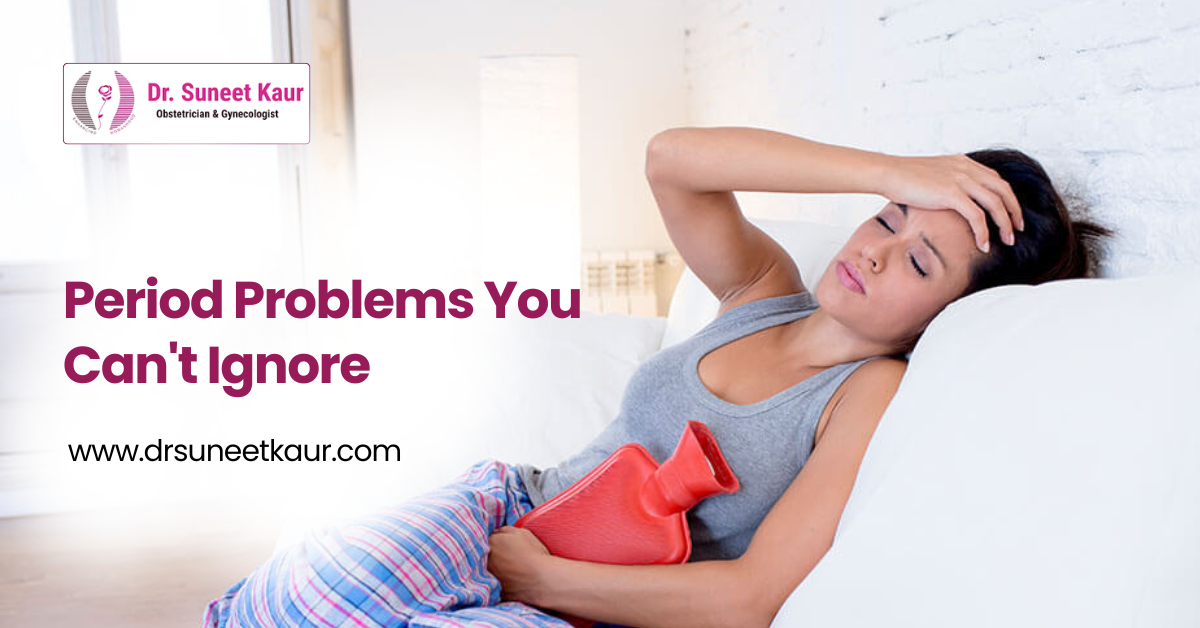

Menstruation is a natural and essential part of a woman’s life. While most cycles are normal, certain period problems you can’t ignore may indicate underlying health issues. Ignoring these warning signs can lead to severe complications, affect fertility, and disrupt your daily life.
This guide will help you identify symptoms, understand causes, and know when to seek medical care.

Excessive bleeding during periods, known as menorrhagia, is more than an inconvenience. It can result in fatigue, anemia, and weakness if left untreated.
Causes of Heavy Bleeding:
Hormonal imbalances
Uterine fibroids or polyps
Blood clotting disorders
Certain medications
If you experience heavy bleeding, consult the Best Gynecologist in Rohini or the Best Gynecologist in Punjabi Bagh – Cloudnine Hospital. Understanding the main causes of uterine fibroids can also help you manage symptoms.
Mild cramps are normal, but severe pain that interferes with daily activities should never be ignored. Dysmenorrhea may indicate:
Endometriosis
Pelvic inflammatory disease (PID)
Adenomyosis
Home Remedies for Relief:
Gentle yoga or stretching
Heating pads for abdominal pain
Over-the-counter painkillers (with doctor approval)
Persistent pain requires medical evaluation to prevent complications.
Cycles that are unusually short, long, or unpredictable may indicate:
Polycystic ovary syndrome (PCOS)
Thyroid disorders
Hormonal imbalances
Why Timely Attention Matters:
Affects fertility
Signals underlying health issues
Can lead to metabolic complications
Keeping a menstrual diary and regular consultations with a gynecologist are essential. Learn more about how often you should visit a gynecologist during pregnancy for proactive health monitoring.
Missing periods can happen due to stress, excessive exercise, or pregnancy. Prolonged absence may indicate:
PCOS
Thyroid disorders
Other hormonal imbalances
Consult a Gynecologist If:
Periods are absent for 3+ months without pregnancy
Sudden cycle changes occur
Symptoms like fatigue, weight fluctuation, or hair loss appear
The Best Gynecologist in Rohini can provide timely guidance to prevent complications.
Bleeding outside your regular cycle, even light spotting, can indicate:
Hormonal fluctuations
Uterine polyps or fibroids
Infections or rare malignancies
Persistent spotting requires prompt medical evaluation by specialists like the Best Gynecologist in Punjabi Bagh – Cloudnine Hospital.
While mild tiredness is common, extreme fatigue may signal:
Anemia
Thyroid issues
Vitamin deficiencies
Symptoms to Watch:
Dizziness or fainting
Pale skin
Shortness of breath
Medical assessment can identify the root cause and provide treatment to restore energy levels.
Premenstrual Syndrome (PMS) causes mood swings, bloating, and fatigue. Premenstrual Dysphoric Disorder (PMDD) is a severe form that affects daily functioning.
Signs You Need Help:
Intense mood swings or depression
Severe physical symptoms
Work or personal life disruption
Lifestyle changes, diet adjustments, and medications under a gynecologist’s supervision can help. Check diet after miscarriage for tips on supporting hormonal health through nutrition.
Occasional clots are normal, but consistently passing large clots or dark blood can indicate:
Fibroids
Hormonal imbalances
Uterine polyps
Reproductive complications
Immediate medical consultation is advised to prevent anemia and other health risks.
Some signs require prompt consultation:
Sudden changes in bleeding pattern
Severe pain
Large blood clots
Missed periods without explanation
Consult the Best Gynecologist in Rohini or Best Gynecologist in Punjabi Bagh for proper diagnosis and treatment. Regular gynecological check-ups are essential for overall reproductive health.
View this post on Instagram
Along with medical care, certain lifestyle adjustments can reduce period-related problems:
Balanced Diet: Include iron-rich foods, leafy vegetables, and fruits. Avoid processed foods that worsen bloating.
Exercise: Regular workouts improve blood circulation and hormone balance.
Stress Management: Yoga, meditation, and journaling help reduce PMS symptoms.
Adequate Sleep: Sleep is crucial for regulating menstrual cycles.
1. What are the main period problems women face?
Women commonly experience heavy bleeding, painful periods, irregular cycles, missed periods, spotting, severe fatigue, PMS/PMDD, and clotting issues.
2. How can I know if my period problem is serious?
Seek medical advice if you experience:
Bleeding for more than 7 days
Severe pain affecting daily life
Large blood clots
Missed periods without pregnancy
3. Can diet affect period problems?
Yes, a balanced diet rich in iron, vitamins, and minerals can reduce fatigue, bloating, and hormonal imbalances. Check our blog on diet after miscarriage for more tips.
4. How often should I visit a gynecologist for period issues?
For general care, at least once a year. For specific problems or pregnancy, follow your gynecologist’s schedule. Learn more here: how often should you visit a gynecologist during pregnancy.
5. Can fibroids cause heavy periods?
Yes, uterine fibroids are a common cause of heavy menstrual bleeding. Learn more about uterine fibroids – main causes.
6. Who should I consult for menstrual problems in Rohini or Punjabi Bagh?
For expert care, consult the Best Gynecologist in Rohini or Best Gynecologist in Punjabi Bagh – Cloudnine Hospital.
Menstrual health is vital for a woman’s overall well-being. Ignoring period problems you can’t ignore such as heavy bleeding, severe pain, irregular cycles, and extreme fatigue can lead to serious health issues. Early consultation with a gynecologist, healthy lifestyle practices, and awareness of your body’s signals can help manage and prevent complications.
Taking care of your menstrual health today ensures a healthier tomorrow. Don’t ignore the signs—seek expert guidance for a better quality of life.