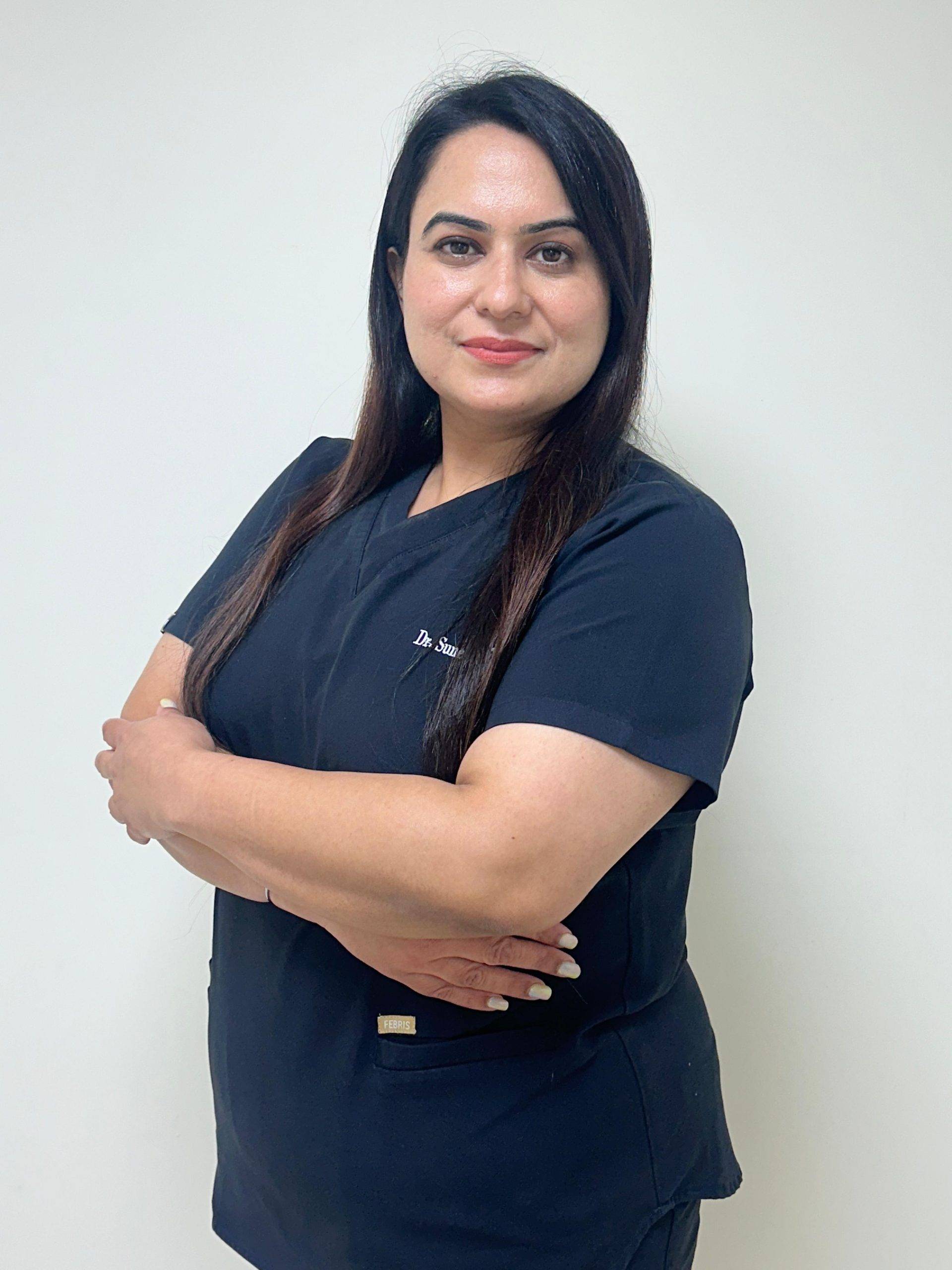
Dr Suneet Kaur Malhotra
Laparoscopic Surgeries in Delhi
MBBS, MS (Obs & Gynae), Certified Da-Vinci Robotic Surgeon
Looking for a safe, advanced, and minimally invasive solution to your gynecological condition? Dr. Suneet Kaur, a leading gynecologist in Delhi with over 23 years of surgical expertise, specializes in laparoscopic surgeries for fibroids, ovarian cysts, endometriosis, ectopic pregnancy, hysterectomy, and more.



Overview
About Laparoscopy Surgeries Care
Laparoscopy is used to address unexplained pelvic pain, perform minimally invasive hysterectomies, provide permanent birth control through sterilization, investigate infertility issues, treat pelvic inflammatory disease, and remove adhesions that can cause pain and fertility problems.
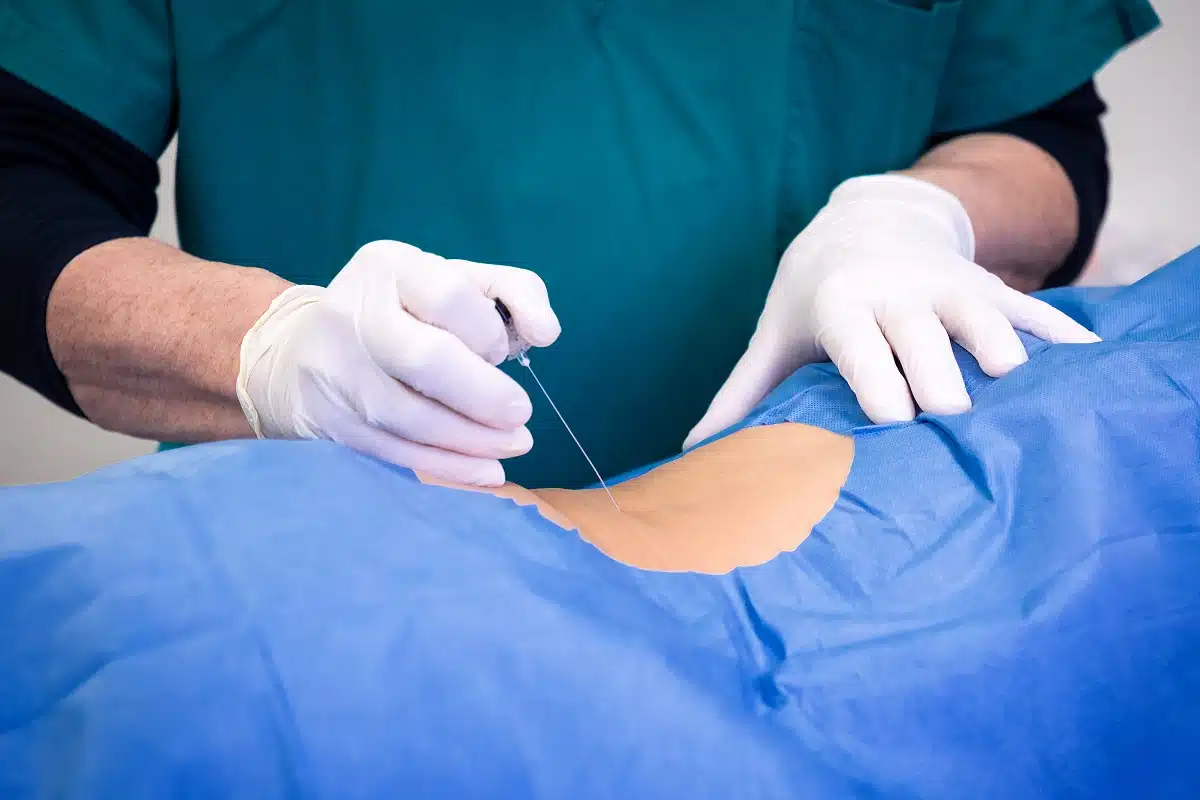
Laparoscopy is a technology where we put tiny cuts in your tummy to insert instruments mainly a telescope to see inside your abdomen and diagnose your actual problem. Laparoscopic surgery is mainly used to address a woman’s health problems such as ovarian cysts, fibroids, endometriosis, removal of the uterus in case of menstrual problems or maybe sometimes cancer, in diagnosis and treatment of tubal disease in case of infertility and also the management of ectopic pregnancy and the list goes on.
Diagnose and Treat

What Situations Can Laparoscopy be Used to Diagnose and Treat?
Fibroid Uterus
Minimally invasive, shorter recovery time, and reduced scarring.
Ovarian Cysts
Smaller incisions, less postoperative pain, and faster return to normal activities.
Endometriosis
Less pain, quicker recovery, and lower risk of complications.
Ectopic Pregnancy
Lower risk of blood loss, quicker recovery, and smaller scars.
Sterilization
Minimally invasive, faster procedure, and reduced discomfort.
Sacrocolpopexy (Surgery for Prolapse)
Reduced risk of infection, shorter hospital stay, and faster return to daily life.
Ovarian Cystectomy
Smaller incisions, quicker recovery, and less postoperative pain.
Removal of Ovarian Cyst
Minimal scarring, shorter hospital stay, and faster return to work.
Hysterotomy (Uterus Removal Surgery)
Minimally invasive, reduced blood loss, and faster recovery.
Myomectomy (Fibroid Removal)
Smaller incisions, shorter recovery, and reduced risk of infection.
Why Choose Dr. Suneet Kaur?
Dr. Suneet Kaur is a highly experienced and trusted gynecologist, committed to delivering compassionate and advanced care to women of all ages. Here’s why she is the preferred choice for thousands of patients
When You Need Laparoscopic Surgeries?
When You May Need Laparoscopic Surgery From a Gynecologist?
- Unexplained Pelvic Pain
- Endometriosis
- Ovarian Cysts or Tumors
- Fibroids (Myomectomy)
- Ectopic Pregnancy
- Infertility Evaluation
- Hysterectomy (Uterus Removal)
- Pelvic Inflammatory Disease (PID) Complications
- Adhesiolysis
About Gynecologic Laparoscopy
Gynecologic laparoscopy is a minimally invasive alternative to traditional open surgery. Instead of making a large incision, the procedure uses a laparoscope—a slender, lighted telescope—to view the pelvic area internally.
This tool allows doctors to examine the reproductive organs and diagnose conditions such as endometriosis, fibroids, or pelvic inflammatory disease. In addition to diagnosis, laparoscopy can also be used for treatment. With the help of miniaturized surgical instruments, various procedures can be performed, including:
- Ovarian cyst removal
- Tubal ligation (a form of permanent birth control)
- Hysterectomy (removal of the uterus)
Compared to open surgery, laparoscopy typically offers a shorter recovery time, less postoperative pain, and smaller scars. The procedure may be performed by a gynecologist, a general surgeon, or another qualified specialist, depending on the specific condition being treated.
Reasons for Gynecologic Laparoscopy
Gynecologic laparoscopy can be performed for diagnostic purposes, treatment, or both. In many cases, a diagnostic procedure may transition into a therapeutic one during the same session if a condition is identified.
Common Reasons for Diagnostic Laparoscopy
Doctors may recommend laparoscopy to investigate:
- Unexplained pelvic pain
- Unexplained infertility
- A history of pelvic infections
Conditions Diagnosed Through Laparoscopy
Laparoscopy can help diagnose a wide range of gynecologic conditions, including:
- Endometriosis
- Uterine fibroids
- Ovarian cysts or tumors
- Ectopic pregnancy
- Pelvic abscess (accumulation of pus)
- Pelvic adhesions (scar tissue causing pain or infertility)
- Infertility-related conditions
- Pelvic inflammatory disease (PID)
- Reproductive cancers
Common Laparoscopic Treatments
Laparoscopy is also used for surgical treatment of various gynecologic issues, such as:
- Hysterectomy (removal of the uterus)
- Oophorectomy (removal of one or both ovaries)
- Ovarian cyst removal
- Fibroid removal
- Uterine artery embolization (blocking blood flow to fibroids)
- Endometrial ablation (destruction of endometrial tissue to treat endometriosis)
- Adhesiolysis (removal of scar tissue)
- Tubal ligation reversal (restoring fertility after sterilization)
- Burch procedure (surgical treatment for urinary incontinence)
- Vault suspension (surgical repair for uterine or vaginal prolapse)
Your health deserves priority. Don’t wait — schedule your consultation now
Frequently Asked Questions (FAQs)
Gynecologic laparoscopy is a minimally invasive surgical procedure used to diagnose and treat conditions affecting the female reproductive organs. It involves inserting a thin, lighted tube (laparoscope) through small incisions in the abdomen to view or operate on the uterus, ovaries, fallopian tubes, or other pelvic structures.
Laparoscopy can treat a variety of gynecologic conditions, including:
- Ovarian cysts
- Uterine fibroids
- Endometriosis
- Ectopic pregnancy
- Pelvic adhesions
- Infertility issues
- Prolapsed uterus or urinary incontinence (via specific procedures like vault suspension or Burch procedure)
Yes, gynecologic laparoscopy is generally considered safe and has fewer complications compared to open surgery. However, as with any surgical procedure, there are risks such as infection, bleeding, or injury to surrounding organs, though these are relatively rare.
Recovery time varies depending on the procedure but is typically much shorter than traditional open surgery. Most patients can return to normal activities within 1 to 2 weeks. Some may experience mild discomfort, bloating, or fatigue for a few days after the surgery.
Gynecologic laparoscopy requires only small incisions—usually about 0.5 to 1 cm in size—often resulting in minimal scarring. Over time, these scars fade significantly and are often barely noticeable.
Yes, diagnostic and operative laparoscopy can be extremely helpful in identifying and treating conditions that contribute to infertility, such as blocked fallopian tubes, endometriosis, or pelvic adhesions, thereby improving the chances of natural conception or successful assisted reproductive techniques.