Fibroids During Pregnancy: Causes, Risks, Symptoms & Safe Treatment Options
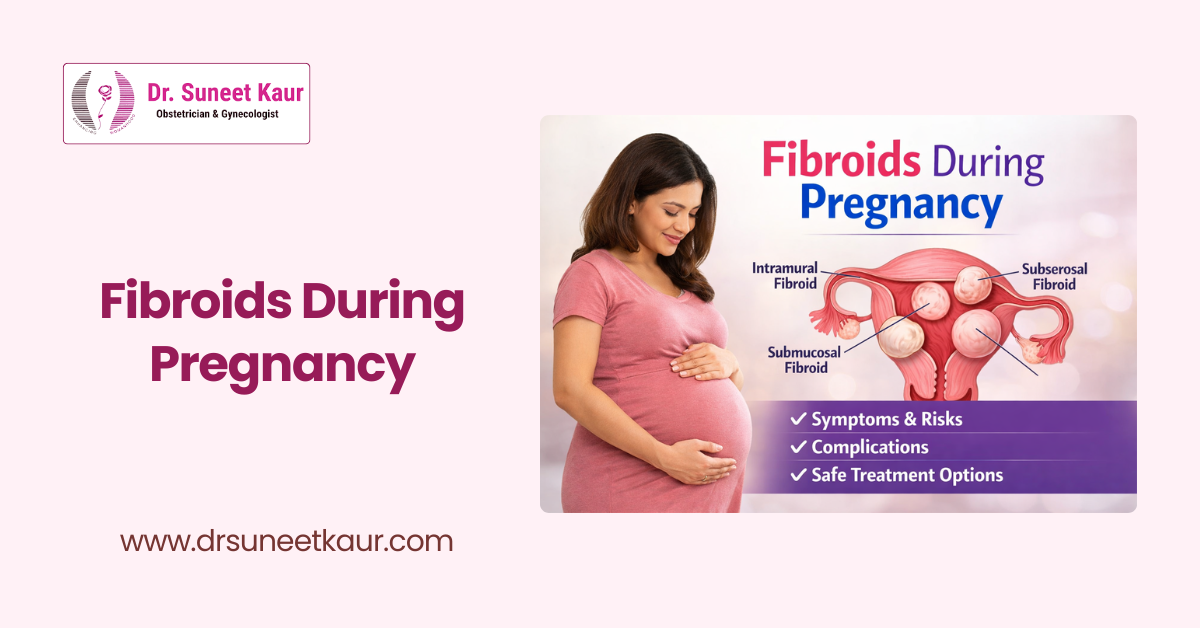

Pregnancy is a beautiful yet sensitive phase in a woman’s life. However, certain medical conditions can make this journey more complex. One such common condition is fibroids during pregnancy. Many women are diagnosed with fibroids either before conceiving or during routine pregnancy ultrasounds, which can naturally cause anxiety.
The good news is that most women with fibroids have a healthy pregnancy and safe delivery with proper medical care and monitoring. In this detailed guide, we will explain everything you need to know about fibroids during pregnancy, including causes, symptoms, risks, diagnosis, and treatment options.
Fibroids, also known as uterine fibroids or leiomyomas, are non-cancerous growths that develop in or around the uterus. They are made of muscle and fibrous tissue and can vary greatly in size—from very small (pea-sized) to large masses.
Fibroids are common in women of reproductive age and often go unnoticed unless they cause symptoms or complications.
👉 To understand the root causes in detail, you can read this guide on uterine fibroids main causes.
Fibroids during pregnancy occur when a woman already has fibroids before conceiving or when fibroids are detected during pregnancy ultrasounds. Due to hormonal changes—especially increased estrogen and progesterone—fibroids may grow during pregnancy, particularly in the first and second trimesters.
However, not all fibroids grow during pregnancy. Some remain the same size or may even shrink after delivery.
Understanding the type and location of fibroids is crucial because it determines the level of risk during pregnancy.
Grow within the uterine wall
Most common type
Can sometimes affect uterine expansion during pregnancy
Grow inside the uterine cavity
Higher risk of complications
Can affect implantation and fetal growth
Grow on the outer surface of the uterus
Usually cause fewer pregnancy-related issues
Attached by a stalk
May cause pain if twisted during pregnancy
The exact cause of fibroids is still unknown, but several factors increase the risk:
Hormonal imbalance (estrogen dominance)
Genetic predisposition
Obesity
Late pregnancy (after 30 years)
Family history of fibroids
Early onset of menstruation
During pregnancy, elevated hormone levels may stimulate fibroid growth, especially in the early months.
Many women experience no symptoms at all, but some may notice the following:
Pelvic pain or pressure
Lower back pain
Abdominal discomfort
Frequent urination
Constipation
Pain during movement
Severe pain due to fibroid degeneration (red degeneration)
⚠️ Severe pain, bleeding, or contractions should always be reported to your gynecologist immediately.
Fibroids during pregnancy are usually detected through:
Routine ultrasound scans
Pelvic examination (limited during pregnancy)
MRI (rarely required)
Ultrasound helps determine:
Size of fibroids
Location
Impact on the fetus or placenta
While many pregnancies progress normally, fibroids can sometimes increase the risk of complications, depending on their size and location.
Miscarriage (especially with submucosal fibroids)
Preterm labor
Placental abruption
Fetal growth restriction
Abnormal fetal position (breech)
Prolonged labor
Increased chances of C-section
Postpartum hemorrhage
That said, most women with fibroids still deliver healthy babies under expert medical supervision.
Fibroids do not automatically mean a C-section. Many women with small or medium-sized fibroids can have a normal vaginal delivery.
However, a C-section may be recommended if:
Fibroids block the birth canal
Baby is in abnormal position
Fibroids cause severe complications
Your delivery plan is always individualized based on your condition.
Regular monitoring
Pain management with pregnancy-safe medications
Bed rest if needed
Mild analgesics prescribed by the doctor
Hydration and rest
Avoiding strenuous activities
Myomectomy during pregnancy is avoided unless life-threatening complications arise
⚠️ Fibroid removal is usually postponed until after delivery.
Yes. In many cases, fibroids shrink naturally after childbirth due to a decrease in hormone levels. Breastfeeding can further help reduce estrogen levels, contributing to fibroid shrinkage.
If you are diagnosed with fibroids during pregnancy, regular prenatal check-ups become even more important. Close monitoring helps prevent complications and ensures timely intervention if needed.
You can read more about the importance of check-ups here:
👉 How often should you visit a gynaecologist during pregnancy?
You should consult an experienced gynecologist if you experience:
Severe abdominal pain
Vaginal bleeding
Sudden uterine contractions
Reduced fetal movements
Recurrent pregnancy complications
For expert care and personalized pregnancy management, consulting the Best Gynecologist in Rohini can help ensure a safe pregnancy journey, especially in high-risk cases involving fibroids.
While fibroids cannot be cured during pregnancy, these tips may help manage symptoms:
Eat a balanced, iron-rich diet
Stay hydrated
Avoid stress
Get adequate rest
Follow doctor-advised activity levels
Never self-medicate
Yes, most women with fibroids have a healthy pregnancy with proper medical care.
In most cases, fibroids do not affect the baby directly, but large fibroids may cause complications.
Some fibroids grow due to hormones, especially in early pregnancy.
No. Delivery method depends on fibroid size, location, and pregnancy progress.
Fibroids during pregnancy can sound alarming, but with timely diagnosis, expert care, and regular monitoring, most women experience a safe pregnancy and healthy delivery. Understanding your condition, following medical advice, and choosing the right gynecologist play a crucial role in managing fibroids effectively.
If you have been diagnosed with fibroids or are planning a pregnancy, consult a qualified specialist early to ensure the best outcomes for both mother and baby.