PCOS Major Causes – Understanding the Root of Hormonal Imbalance in Women
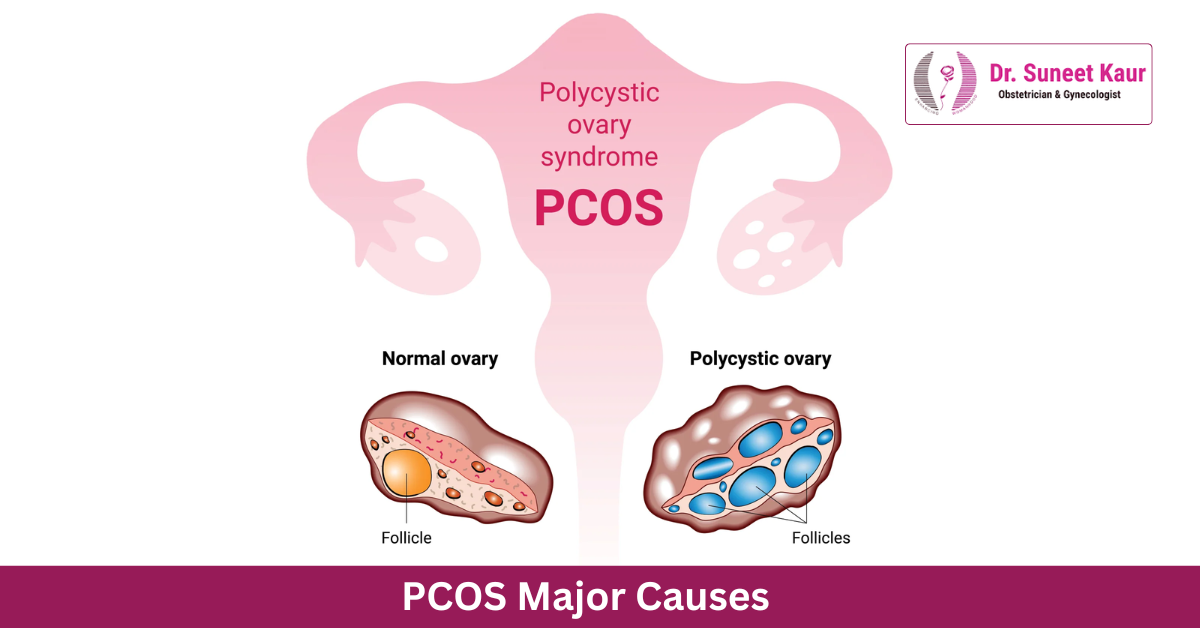

Polycystic Ovary Syndrome (PCOS) is one of the most common hormonal disorders affecting women of reproductive age. It not only impacts fertility but also affects overall health, metabolism, and emotional well-being. Understanding the PCOS major causes is crucial for early diagnosis, effective management, and lifestyle correction.
In this blog, we’ll explore the major causes of PCOS, the underlying hormonal triggers, and how expert guidance from specialists like Dr Suneet Kaur Malhotra — one of the best gynecologists in Punjabi Bagh — can help women manage this condition successfully.
PCOS (Polycystic Ovary Syndrome) is a hormonal disorder in which a woman’s ovaries produce an abnormal amount of androgens — male hormones that are usually present in small amounts. The condition is often associated with irregular menstrual cycles, weight gain, acne, excessive hair growth, and infertility.
Women with PCOS may also have multiple small cysts (fluid-filled sacs) on their ovaries, which is where the name “polycystic” comes from. However, not all women with PCOS have cysts — making it more of a hormonal imbalance issue than purely a structural one.
The major causes of PCOS are complex and interconnected. Genetics, lifestyle, insulin resistance, and hormonal imbalance play a major role. Let’s explore them one by one.
One of the PCOS major causes is heredity. If a woman’s mother, sister, or aunt has PCOS, she is more likely to develop it too. Researchers believe that specific genes are responsible for insulin resistance and increased androgen production — both of which contribute to PCOS.
Genetics doesn’t mean PCOS is inevitable, but it does increase susceptibility. This is why early lifestyle management and regular checkups with an experienced gynecologist are essential.
Insulin resistance is one of the primary triggers behind PCOS. In this condition, the body’s cells don’t respond properly to insulin — a hormone that regulates blood sugar levels.
When the body produces excess insulin to compensate, it triggers the ovaries to produce more androgens (male hormones). Elevated androgen levels lead to symptoms like acne, excessive facial hair, and irregular menstrual cycles.
A balanced diet, exercise, and timely medical support can help improve insulin sensitivity. Consulting the Best Gynecologist in Punjabi Bagh, such as Dr. Suneet Kaur Malhotra, can help in designing a treatment plan that addresses both hormonal and metabolic aspects of PCOS.
Hormonal imbalance is the core reason for PCOS. Women with PCOS often have higher levels of androgens, luteinizing hormone (LH), and prolactin, and lower levels of follicle-stimulating hormone (FSH).
This imbalance disrupts the normal ovulation process — meaning eggs are not released regularly, leading to irregular or absent periods. The imbalance also contributes to weight gain, mood swings, and difficulty conceiving.
Managing hormonal imbalance often requires a combination of medication, dietary changes, and stress management.
Chronic inflammation has been found to play a key role among the major causes of PCOS. Women with PCOS often have elevated levels of inflammation markers, which stimulate the ovaries to produce more androgens.
Inflammation is often linked to poor diet (especially processed foods and trans fats), lack of sleep, and environmental toxins. Incorporating anti-inflammatory foods such as turmeric, green leafy vegetables, and omega-3-rich fish can help reduce inflammation naturally.
A sedentary lifestyle and poor eating habits are major contributors to PCOS. Excessive intake of refined carbs, sugary drinks, and junk food leads to obesity and worsens insulin resistance.
Lack of physical activity also slows down metabolism, making it harder to manage weight — a common concern for women with PCOS.
A nutritious, balanced diet rich in fiber, lean proteins, and healthy fats can significantly improve symptoms. Lifestyle correction is one of the most effective natural treatments for PCOS.
Chronic stress can alter hormonal balance by increasing cortisol and adrenaline levels. High stress levels can worsen PCOS symptoms by affecting menstrual regularity and contributing to weight gain.
Mindfulness, yoga, meditation, and therapy are highly beneficial for reducing stress-related hormonal disruptions. Addressing emotional well-being is as important as physical treatment in managing PCOS effectively.
View this post on Instagram
While the major causes of PCOS are varied, the symptoms often overlap. Common signs include:
If you experience two or more of these symptoms, it’s wise to consult an experienced gynecologist for proper diagnosis.
For women in Delhi, consulting Dr. Suneet Kaur Malhotar — a highly qualified and compassionate expert — can help in understanding your hormonal health better. She is known for her personalized and patient-centric approach to women’s healthcare.
While the PCOS major causes cannot always be eliminated, they can be managed through medical care, lifestyle adjustments, and consistency.
Here are a few effective strategies:
Dr. Suneet Kaur Malhotar provides holistic care combining medical treatment with lifestyle guidance, helping women regain hormonal balance and confidence.
PCOS is not just a hormonal disorder — it’s a lifestyle and metabolic condition that requires awareness and proactive management. Understanding the PCOS major causes empowers women to take preventive steps early on.
By identifying the root triggers like insulin resistance, hormonal imbalance, genetics, and stress, you can begin the journey toward better reproductive health.
If you are looking for expert advice and compassionate care, reach out to the Best Gynecologist in Punjabi Bagh, Dr. Suneet Kaur Malhotar, who has helped countless women overcome PCOS through modern diagnosis and lifestyle-driven treatment plans.
Your body deserves care, balance, and attention — and the right medical guidance can make all the difference.