Uterine Fibroids Main Causes: Everything You Need to Know

Uterine fibroids are one of the most common gynecological conditions affecting women of reproductive age. Despite being non-cancerous, they can cause a wide range of symptoms that disrupt daily life—such as heavy menstrual bleeding, pelvic pain, and fertility issues. To manage them effectively, it is important to understand the uterine fibroids main causes, risk factors, and how lifestyle and genetics play a role in their development.
In this article, we will explore the main causes of uterine fibroids, symptoms, diagnosis, and when to seek help from the Best Gynecologist in Rohini Delhi for treatment.
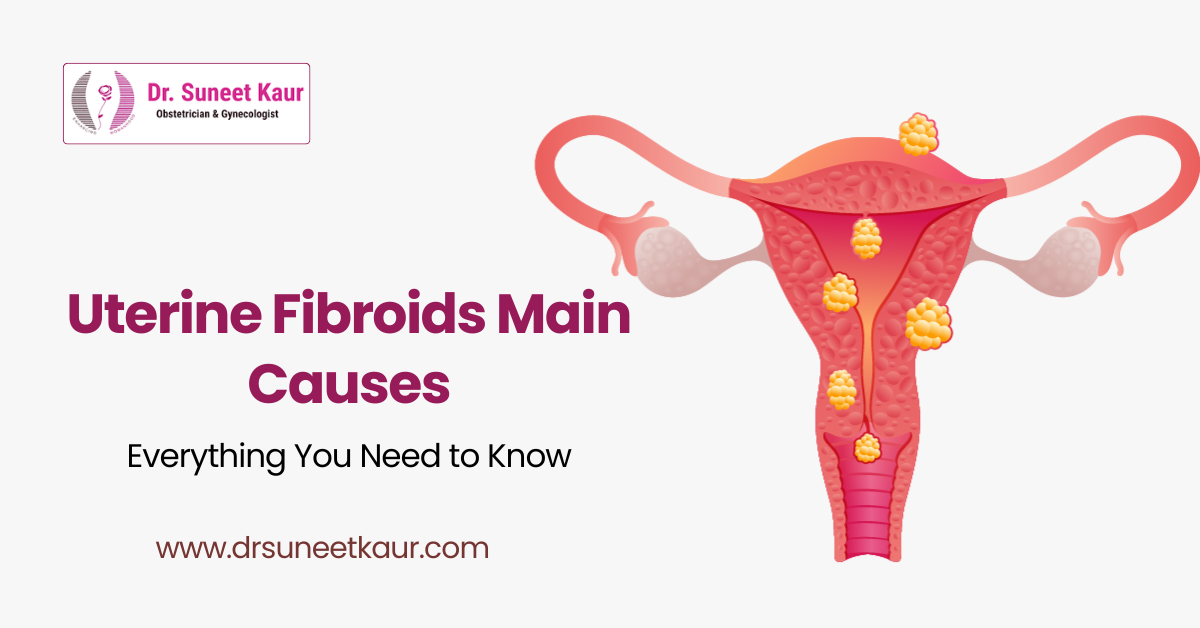
Uterine fibroids, also known as leiomyomas or myomas, are benign (non-cancerous) growths that develop in the uterus. They are made up of smooth muscle cells and fibrous connective tissue. Fibroids can vary in size—from as small as a pea to as large as a melon—and may appear in different parts of the uterus:
Intramural fibroids: Found within the muscular wall of the uterus.
Subserosal fibroids: Located outside the uterus, growing into the pelvic cavity.
Submucosal fibroids: Found under the uterine lining, potentially affecting fertility and menstrual bleeding.
Understanding uterine fibroids main causes helps women identify their risk and seek timely medical advice.
Fibroids do not have a single cause; instead, they develop due to a combination of genetic, hormonal, and lifestyle factors. Let’s break down the uterine fibroids main causes in detail.
One of the primary causes of uterine fibroids is hormonal fluctuation, particularly involving estrogen and progesterone. These two hormones regulate the menstrual cycle and stimulate the growth of the uterine lining.
High levels of estrogen can promote the rapid growth of fibroids.
Progesterone may also influence fibroid size by triggering cell growth.
This explains why fibroids often grow during reproductive years (when hormone levels are high) and shrink after menopause.
Research shows that genetics play a major role in the uterine fibroids main causes. If your mother, sister, or grandmother had fibroids, your chances of developing them increase significantly.
Certain gene mutations have been linked to fibroid formation.
Family history is a strong risk factor, making regular gynecological checkups important.
Fibroids are most common in women between the ages of 30 and 50. This age group has higher estrogen and progesterone activity, which explains why fibroids are rare in teenagers and often shrink after menopause.
Age is one of the key uterine fibroids main causes because hormonal activity peaks during these years.
Excess body weight is linked with higher estrogen levels. Since estrogen is a major growth factor for fibroids, obesity is considered one of the significant causes of uterine fibroids.
Women who are overweight or obese are 2-3 times more likely to develop fibroids.
Sedentary lifestyle, lack of physical activity, and poor diet also increase the risk.
Maintaining a healthy weight and active lifestyle can help lower fibroid risks.
Dietary habits contribute to the uterine fibroids main causes. Studies suggest:
High consumption of red meat and processed foods increases fibroid risk.
Lack of green vegetables, fruits, and vitamin D may contribute to fibroid development.
Excess alcohol and caffeine intake may worsen hormonal imbalance.
Adopting a balanced diet rich in whole grains, leafy greens, and lean proteins supports uterine health.
Insulin resistance and conditions like Polycystic Ovary Syndrome (PCOS) are linked with fibroid growth. Increased insulin levels affect hormonal balance, making this another possible uterine fibroids main cause.
Vitamin D plays a protective role against abnormal tissue growth. Women with low vitamin D levels are more likely to develop fibroids, making deficiency an overlooked but important factor in uterine fibroids main causes.
Pregnancy itself may not directly cause fibroids, but hormonal surges during pregnancy can trigger fibroid growth. Women with early menstruation (before age 10) or those who have never been pregnant are also at higher risk.
This reproductive history highlights another layer of complexity in causes of uterine fibroids.
Exposure to certain environmental toxins like xenoestrogens (chemicals that mimic estrogen) can increase fibroid risk. Common sources include:
Pesticides
Plastics containing BPA
Processed cosmetic products
Reducing exposure to such toxins may help lower risk factors linked to the uterine fibroids main causes.
Not all fibroids cause symptoms, but when they do, they can be severe and affect quality of life. Common signs include:
Heavy or prolonged menstrual bleeding
Pelvic pain or pressure
Frequent urination
Constipation
Lower back or leg pain
Difficulty conceiving or pregnancy complications
If you experience these symptoms, consult the Best Gynecologist in Rohini Delhi for accurate diagnosis and treatment.
Fibroids can sometimes be silent, but early detection prevents complications. You should consult a gynecologist if:
Menstrual bleeding is unusually heavy or prolonged
Pelvic pain persists despite home remedies
You are planning pregnancy and have a history of fibroids
Symptoms affect your daily life
It’s always advisable to schedule routine gynecological visits. If you are pregnant or planning pregnancy, you may also want to read this helpful guide on how often should you visit a gynaecologist during pregnancy.
To confirm fibroid presence and size, doctors may recommend:
Pelvic ultrasound: A common imaging method to detect fibroids.
MRI scan: Provides detailed information about size and location.
Hysteroscopy or laparoscopy: Minimally invasive techniques for direct observation.
Accurate diagnosis helps decide whether lifestyle changes, medications, or surgery are needed.
Treatment for fibroids depends on symptoms, age, and fertility goals. Options include:
Medications – To regulate hormones and control symptoms.
Minimally invasive procedures – Uterine artery embolization, hysteroscopic resection, or laparoscopic surgery.
Surgery – Myomectomy (fibroid removal) or hysterectomy (uterus removal) in severe cases.
Lifestyle changes – Weight management, healthy diet, stress reduction.
For personalized care, consult the Best Gynecologist in Rohini Delhi to discuss the most suitable treatment plan.
While not all fibroids can be prevented, reducing risk factors can help:
Maintain a healthy weight.
Eat more green vegetables, fruits, and vitamin D-rich foods.
Exercise regularly.
Limit red meat and processed foods.
Reduce alcohol and caffeine.
Schedule regular gynecological check-ups.
By addressing these areas, women can lower the chances of developing fibroids caused by uterine fibroids main causes.
Uterine fibroids are a common but manageable condition. The uterine fibroids main causes include hormonal imbalances, genetics, age, lifestyle, vitamin D deficiency, and environmental exposures. Recognizing risk factors and symptoms early is essential for timely diagnosis and treatment.
If you are experiencing symptoms or have concerns about fibroids, don’t wait. Book an appointment with the Best Gynecologist in Rohini Delhi for expert guidance, compassionate care, and effective treatment options tailored to your needs.
For women planning pregnancy, regular gynecological check-ups are equally important. Read this article on how often should you visit a gynaecologist during pregnancy to stay informed about maternal health.
By staying aware of the uterine fibroids main causes and adopting preventive lifestyle changes, women can take control of their reproductive health and live with confidence.