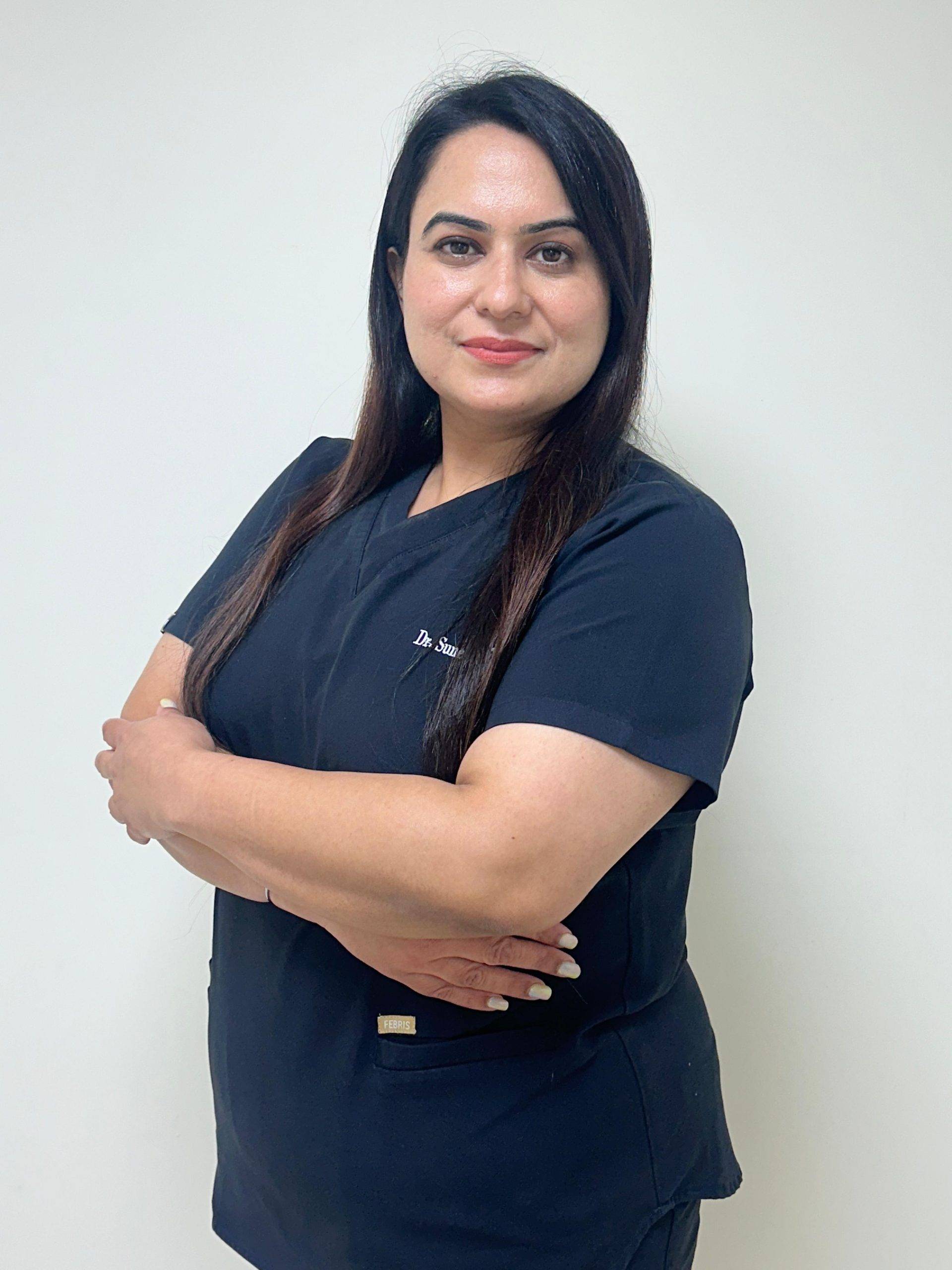
Dr Suneet Kaur Malhotra
Infertility Treatment in Delhi
MBBS, MS (Obs & Gynae), Certified Da-Vinci Robotic Surgeon
Consult Dr. Suneet Kaur, a trusted gynecologist in Delhi with 23+ years of experience. Expert in infertility treatment, PCOS, and pregnancy care. Book your appointment today!



Overview
About Infertility Treatment
Have You Been Trying to Conceive for Over a Year Without Success? If you’ve been trying to get pregnant for over a year without success or are experiencing difficulties during intercourse, it’s important to seek medical advice without delay. Early evaluation can help identify and address any underlying issues.
At our clinic, we have a high success rate in helping couples conceive especially within the first year of treatment. In fact, many couples achieve pregnancy during the initial months of regular physical intimacy, while a smaller percentage may conceive in the second year. Don’t wait—timely consultation can significantly improve your chances of starting or expanding your family.

What Infertility Treatments Are Available at Our Clinic?
At our clinic, we offer a wide range of infertility treatments tailored to the specific causes of infertility in both women and men.

For Women
The treatment approach depends on the underlying cause of infertility. Common options include:
Fertility Medications & Hormone Therapy
Used to regulate hormonal levels and stimulate regular ovulation.
Surgical Intervention
Conditions like blocked fallopian tubes or uterine abnormalities can often be corrected through minimally invasive surgery.
Assisted Reproductive Technology (ART)
When medication or surgery is not enough, ART techniques offer advanced solutions for both men and women:
IUI (Intrauterine Insemination)
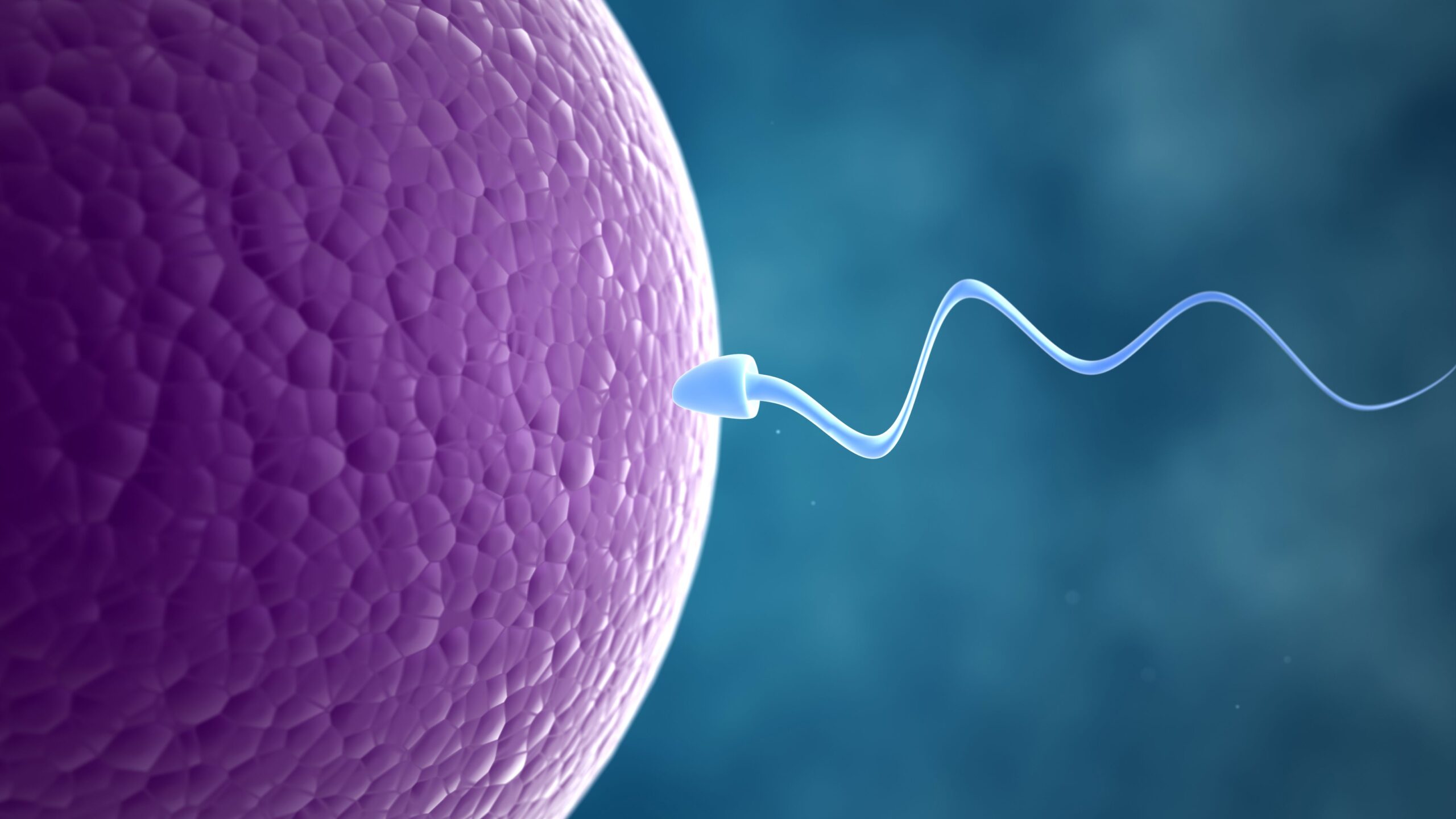
Sperm is directly placed into the uterus to increase the chance of fertilization.
IVF (In Vitro Fertilization)
Eggs are fertilized outside the body and then implanted in the uterus.
Why Choose Dr. Suneet Kaur?
Choosing the right gynecologist is a crucial step in your health journey—and with Dr. Suneet Kaur, you're in expert hands. Here's why hundreds of women trust her care:

When Do You Need Infertility Treatment?
If you’ve been trying to conceive for 12 months or more without success (or 6 months if you’re over 35), it may be time to consult a fertility specialist. Early evaluation helps identify potential issues and increases your chances of a successful pregnancy.
You should consider infertility treatment if you experience:
- Irregular or missed periods
- Painful periods or pelvic pain
- Known conditions like PCOS, endometriosis, or fibroids
- History of miscarriages
- Difficulty during intercourse
- Previous pelvic surgeries or infections
- Male partner with low sperm count or motility issues
At Dr. Suneet Kaur’s clinic, we offer thorough evaluations and customized treatment plans, including hormonal therapy, ovulation support, IUI, and IVF guidance—to help you take the right steps toward parenthood.
Contact UsWhat is Female Infertility?
Female infertility refers to a woman’s inability to conceive naturally after one year of regular, unprotected intercourse (or six months if the woman is over 35 years of age). While infertility can affect both partners, in many cases, it may be due to issues related to ovulation, hormonal imbalances, fallopian tube blockages, or uterine abnormalities.
Early diagnosis and proper treatment can significantly improve the chances of conception. If you’ve been trying to get pregnant without success, it’s important to consult a fertility specialist for timely evaluation and guidance.
What Are the Symptoms of Female Infertility?
While the most obvious sign of infertility is the inability to conceive after regular unprotected intercourse, several other symptoms may indicate an underlying issue affecting a woman’s fertility. These include:
- Irregular or Missed Periods
- Abnormal Menstrual Bleeding
- Painful Periods
- Hormonal Imbalances
- Sudden acne or frequent breakouts
- Thinning hair or hair loss
- Unexplained weight gain
- Irregular Ovulation
- Low Libido
If you experience any of these symptoms, it’s recommended to consult a gynecologist or fertility specialist for proper evaluation and timely treatment.
Your health deserves priority. Don’t wait — schedule your consultation now
Frequently Asked Questions (FAQs)
Female infertility is the inability to conceive after 12 months of regular, unprotected intercourse (or 6 months if the woman is over 35). It can result from issues with ovulation, hormones, reproductive organs, or other medical conditions.
- Irregular ovulation or absence of ovulation
- PCOS (Polycystic Ovary Syndrome)
- Endometriosis
- Blocked fallopian tubes
- Uterine fibroids or abnormalities
- Thyroid or hormonal imbalances
- Age-related fertility decline
- Irregular or missed periods
- Painful periods or pelvic cramps
- Sudden acne, hair thinning, or weight gain
- Difficulty conceiving after a year of trying
- Hormonal changes like mood swings or low libido
You should consult a fertility specialist if:
- You’re under 35 and haven’t conceived after 1 year of trying
- You’re over 35 and haven’t conceived after 6 months
- You have a history of irregular periods, miscarriages, or known reproductive issues
- Fertility medications to stimulate ovulation
- Hormone therapy for hormonal imbalances
- Laparoscopic surgery for endometriosis or blocked tubes
- Assisted Reproductive Techniques (ART) like IUI and IVF
Yes. Factors like smoking, obesity, stress, poor diet, lack of exercise, and excessive alcohol can impact fertility. A healthy lifestyle can improve your chances of conception.
No. Infertility can affect both partners. In about 30-40% of cases, male infertility is the primary cause, while in 30-40% of cases, it’s due to female factors. The remaining are either unexplained or a combination of both.