

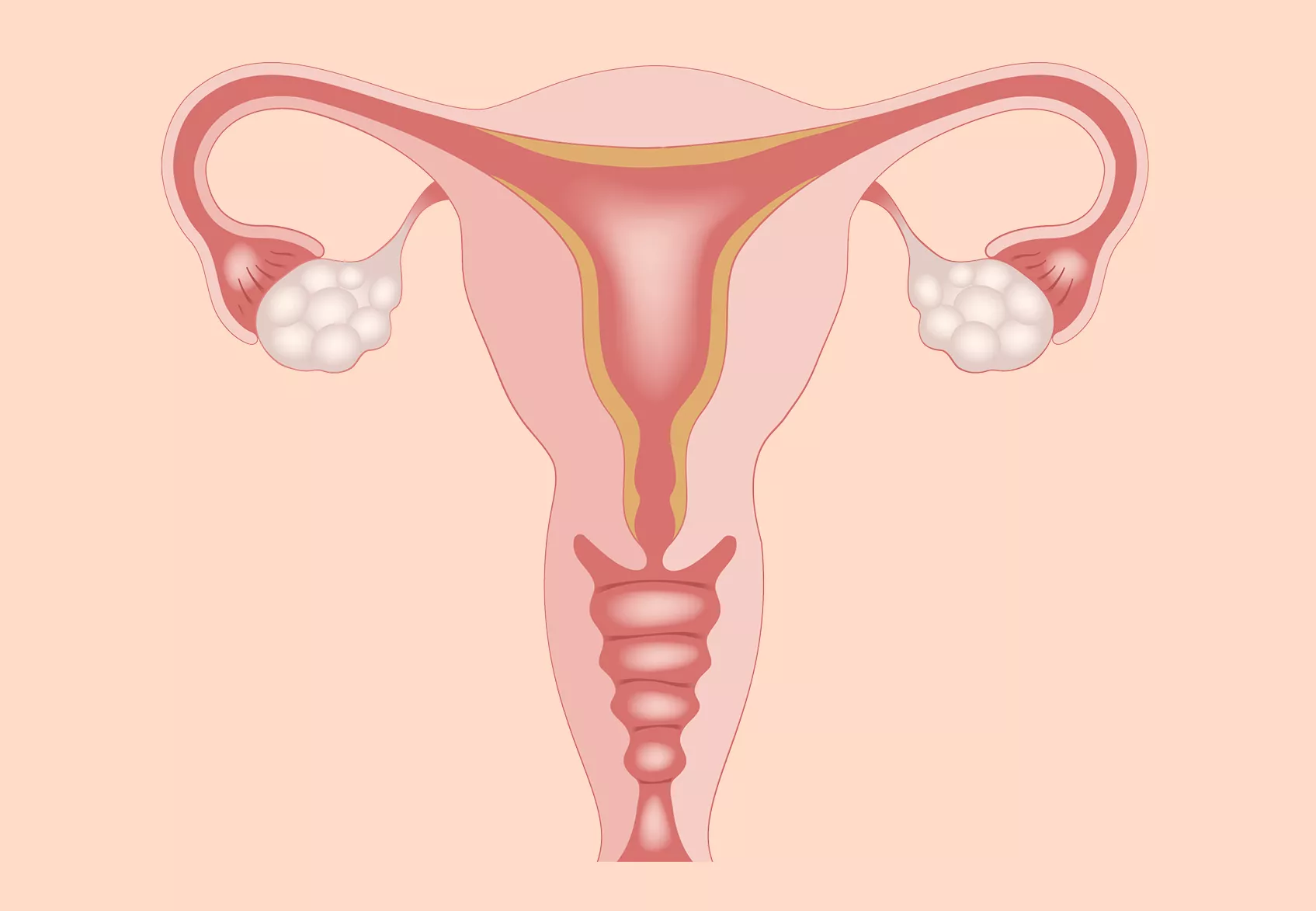
Ovarian Cysts
Symptoms, Causes, Risk Factors & Treatment
Ovarian cysts are common fluid-filled sacs that form on or inside the ovaries. There are various types of ovarian cysts, with most being harmless, symptom-free, and resolving on their own without any treatment. However, in rare cases, ovarian cysts can lead to complications that require medical intervention. Regular pelvic examinations play a crucial role in early detection and help minimize the risk of problems related to ovarian cysts. For expert diagnosis and effective ovarian cyst treatment in Rohini, consult a trusted gynecologist to ensure timely care and peace of mind.
What is an ovarian cyst?
An ovarian cyst is a small sac filled with fluid or semi-solid material that develops on or inside one or both ovaries. There are various types of ovarian cysts, most of which are painless and benign (noncancerous). Many ovarian cysts do not cause symptoms, and often, you may not realize you have one unless it is detected during a routine pelvic exam or ultrasound.
Although ovarian cysts are very common—especially in women who have not yet reached menopause—they can sometimes lead to complications. Regular pelvic check-ups and timely communication with your healthcare provider are essential for early detection and management.
If you are experiencing symptoms or have concerns, expert ovarian cyst treatment in Rohini is available to provide accurate diagnosis and personalized care tailored to your needs.
Types of Ovarian Cysts
Ovarian cysts come in different types, each with distinct causes and characteristics. Understanding the type of cyst you have can help guide the best treatment approach. The most common types include:
- Functional cysts: These are the most common type and develop as part of the menstrual cycle. They often disappear on their own without treatment.
- Follicular cysts: Form when a follicle doesn’t release an egg and continues to grow.
- Corpus luteum cysts: Occur after an egg is released and the follicle seals off and fills with fluid.
- Dermoid cysts: Contain different types of tissue like hair or skin and are usually benign.
- Endometriomas: Caused by endometriosis, these cysts contain thick, dark blood and may cause pain.
- Cystadenomas: Develop from ovarian tissue and can be filled with watery or mucous material.
If you suspect you have an ovarian cyst or need expert care, specialized ovarian cyst treatment in Rohini offers comprehensive diagnosis and personalized treatment plans.
What Are the Symptoms of an Ovarian Cyst?
Many smaller ovarian cysts cause no symptoms, so you might not even realize you have one. However, larger cysts can cause noticeable symptoms such as:
- Pelvic pain or a dull ache in your lower back
- A feeling of fullness or bloating in the lower abdomen, often more pronounced on one side
- Pain during sexual intercourse (dyspareunia)
- Painful or irregular menstrual periods
- Difficulty with bowel movements or frequent urination
Persistent symptoms like these may sometimes indicate a condition called polycystic ovary syndrome (PCOS). PCOS is characterized by irregular menstrual cycles and elevated androgen levels, which can lead to cystic acne, challenges with conception, and weight gain.
What Does an Ovarian Cyst Feel Like?
The sensation of having an ovarian cyst can vary widely. Some people feel no pain at all, while others may experience:
- Mild discomfort or a sense of fullness in the abdomen
- Sharp or dull aches that come and go
- Pain linked to certain phases of the menstrual cycle
If you notice any of these symptoms or discomfort, it’s important to seek professional evaluation. Expert ovarian cyst treatment in Rohini is available to help diagnose and manage your condition with personalized care.
What Causes an Ovarian Cyst?
The most common cause of ovarian cysts is ovulation—a natural part of the menstrual cycle when an egg is released from the ovary. Sometimes, this process can lead to the formation of cysts. Beyond ovulation, several other factors can contribute to ovarian cyst development:
- Abnormal Cell Growth: Irregular cell reproduction can result in cysts such as dermoid cysts or cystadenomas, which contain different types of tissue or fluid.
- Endometriosis: In women with advanced endometriosis, cysts called endometriomas (or “chocolate cysts”) can develop on the ovaries due to the growth of uterine-like tissue outside the uterus.
- Polycystic Ovary Syndrome (PCOS): This hormonal disorder causes the formation of multiple small cysts on the ovaries and can affect menstrual cycles and fertility.
- Pelvic Inflammatory Disease (PID): Severe infections in the pelvic region can spread to the ovaries, leading to the formation of cysts.
If you experience symptoms or suspect an ovarian cyst, expert ovarian cyst treatment in Rohini is available to provide accurate diagnosis and tailored care.
What Are the Risk Factors for Ovarian Cysts?
Anyone with ovaries can develop ovarian cysts, but certain factors can increase your risk:
- Age: Ovarian cysts are more common in women who have not yet reached menopause.
- Pregnancy: Cysts are more likely to form and persist during pregnancy.
- Previous Ovarian Cysts: If you have had ovarian cysts before, you are more likely to develop them again.
- Underlying Medical Conditions: Conditions like endometriosis, polycystic ovary syndrome (PCOS), and other hormonal imbalances can increase the risk of cyst formation.
- Fertility Treatments: Medications that stimulate ovulation, such as clomiphene (Clomid©), can increase the likelihood of developing ovarian cysts.
If you suspect you may have an ovarian cyst or are at risk, consult specialists for expert ovarian cyst treatment in Rohini to ensure proper care and management.
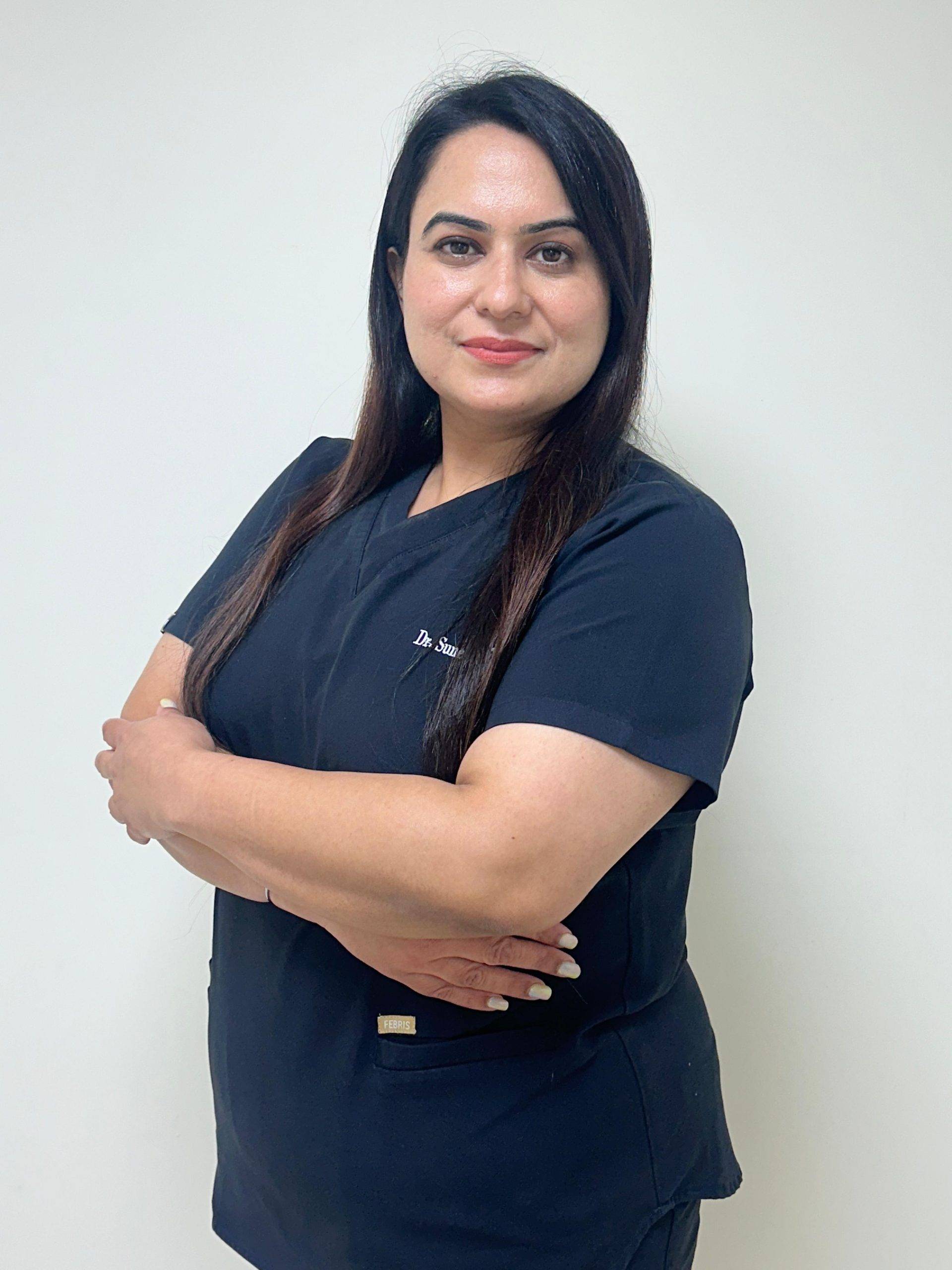
Get Expert Ovarian Cysts Treatment in Rohini by Dr. Suneet Kaur
If you’re experiencing symptoms of ovarian cysts or have been diagnosed with one, timely and effective treatment is essential. Dr. Suneet Kaur, a trusted gynecologist in Rohini, Delhi, offers comprehensive ovarian cyst treatment tailored to your individual needs. With advanced diagnostic tools and personalized care plans, Dr. Kaur ensures accurate diagnosis and the most appropriate treatment options, whether it’s medication, minimally invasive procedures, or surgery.
Don’t let ovarian cyst symptoms affect your quality of life. Schedule a consultation with Dr. Suneet Kaur for expert ovarian cyst treatment in Rohini and take the first step toward better reproductive health.
Ovarian Cysts FAQ — Patient-Friendly Answers
An ovarian cyst is a fluid-filled sac that forms on or inside your ovary. They are common and usually harmless.
Many cysts don’t cause symptoms and are found during routine exams. If symptoms occur, they may include pelvic pain, bloating, or changes in your menstrual cycle.
Most ovarian cysts are benign and go away on their own. Rarely, they can cause complications like pain or cyst rupture, which require medical attention.
Ovarian cysts often form due to the normal menstrual cycle, but conditions like endometriosis, PCOS, or infections can also cause cysts.
Most cysts don’t affect fertility, but some types, especially those related to PCOS or endometriosis, may impact your ability to conceive.
If you experience severe pelvic pain, sudden abdominal swelling, or irregular periods, see a doctor promptly.
Treatment depends on the cyst type and symptoms. Options include monitoring, medication, or surgery. Your doctor will recommend the best approach for you.
MBBS, MS (Obs & Gynae)
About DoctorPatient Testimonials
What Our Patients Say About Us


Your health deserves priority. Don’t wait — schedule your consultation now


