
Uterine Fibroids
Symptoms, Causes, Risk Factors & Treatment
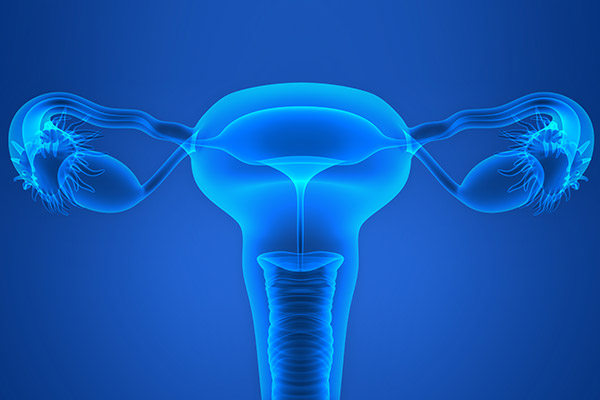
Uterine fibroids are common noncancerous growths that develop in the uterus, typically during reproductive years. Also known as leiomyomas or myomas, fibroids are benign and almost never become cancerous or increase the risk of uterine cancer. These growths vary widely in size and number — some are so small they can’t be seen without magnification, while others can grow as large as a grapefruit or even bigger. Large fibroids can distort the shape of the uterus, both inside and out, and in rare cases, may grow large enough to fill the pelvic or abdominal area, causing the abdomen to appear swollen or pregnant.
What are uterine fibroids?
Uterine fibroids, also known as leiomyomas, are growths composed of muscle and tissue that develop in or on the walls of the uterus. These growths are usually benign (noncancerous) and represent the most common type of noncancerous tumor found in women.
While some individuals with uterine fibroids experience no symptoms, others may suffer from pain, heavy or irregular vaginal bleeding, and other discomforts. The approach to uterine fibroids treatment depends largely on the severity of symptoms and the size or location of the fibroids.
For those seeking effective uterine fibroids treatment in Rohini, specialized clinics offer tailored options that range from medication to minimally invasive procedures, ensuring personalized care for every patient.
Where do fibroids grow?
Fibroids can develop either as a single nodule or as clusters of multiple growths. These clusters can vary greatly in size, ranging from as small as 1 millimeter to more than 20 centimeters (about 8 inches) or even larger. To put this in perspective, fibroids can be as tiny as a seed or grow as large as a watermelon.
Fibroids may form in different locations within or around the uterus — they can grow within the muscular wall of the uterus (intramural fibroids), inside the uterine cavity (submucosal fibroids), or on the outer surface of the uterus (subserosal fibroids).
If you are experiencing symptoms related to fibroids, it is important to seek professional consultation. For those looking for reliable uterine fibroids treatment in Rohini, specialized healthcare providers offer advanced diagnostic and treatment options tailored to the size and location of the fibroids.
Types of uterine fibroids
Uterine fibroids are classified based on their location and how they attach to the uterus. The main types of uterine fibroids include:
- Intramural fibroids: These fibroids develop within the muscular wall of the uterus and are the most common type.
- Submucosal fibroids: These grow just beneath the inner lining of the uterus and can sometimes affect menstrual bleeding.
- Subserosal fibroids: These fibroids form under the outer lining of the uterus and can expand outward, sometimes growing large enough to press on surrounding organs.
- Pedunculated fibroids: The least common type, these fibroids are attached to the uterus by a thin stalk or stem, often resembling a mushroom in shape.
Understanding the type of fibroid is important for choosing the right uterine fibroids treatment. If you’re seeking expert uterine fibroids treatment in Rohini, clinics in the area offer personalized care plans tailored to your specific type of fibroid and symptoms.
Are fibroids common?
Fibroids are a very common type of growth in people with a uterus. Studies show that approximately 40% to 80% of individuals in this group develop fibroids at some point in their lives. They most commonly occur between the ages of 30 and 50.
Fibroids are rare in people who have not yet started menstruating and tend to become less common after menopause. If you are experiencing symptoms related to fibroids, timely diagnosis and care are important. For those seeking specialized uterine fibroids treatment in Rohini, expert medical centers provide effective options to manage and treat fibroids based on your needs.
What are the symptoms of uterine fibroids?
Many small uterine fibroids do not cause symptoms and typically only require regular monitoring by your healthcare provider. However, larger fibroids can lead to a range of symptoms, such as:
- Excessive or painful bleeding during menstrual periods
- Bleeding between periods
- A feeling of fullness or bloating in the lower abdomen
- Frequent urination caused by pressure on the bladder
- Pain during sexual intercourse
- Low back pain
- Constipation or pressure on the rectum
- Chronic vaginal discharge
- Difficulty urinating or fully emptying the bladder
- Increased abdominal size, sometimes making the abdomen appear pregnant
Symptoms of uterine fibroids often improve or resolve after menopause, as hormone levels in the body decline.
If you’re experiencing any of these symptoms, it’s important to seek medical advice. For personalized and effective uterine fibroids treatment in Rohini, consult with experienced specialists who can provide the best options based on your condition.
What are risk factors for uterine fibroids?
Several factors can increase your risk of developing uterine fibroids, including:
- Obesity and a higher body mass index (BMI)
- A family history of fibroids
- Never having given birth
- Early onset of menstruation (starting periods at a young age)
- Late onset of menopause
Understanding these risk factors can help in early detection and management. If you suspect you may have fibroids or are experiencing symptoms, it is important to seek professional advice. For expert uterine fibroids treatment in Rohini, trusted healthcare providers offer comprehensive evaluation and personalized treatment plans to help you manage fibroids effectively.
What are the complications of uterine fibroids?
Most uterine fibroids do not lead to serious complications. However, in some cases, fibroids can cause issues such as:
- Severe pain that becomes difficult to manage
- Swelling or enlargement of the abdomen or pelvic area
- Excessive vaginal bleeding
- Anemia caused by heavy blood loss
- Infertility (though this is rare)
If you experience any of these complications, it is important to seek prompt medical attention. For specialized and effective uterine fibroids treatment in Rohini, experienced healthcare professionals are available to provide tailored treatment options to address your specific condition and improve your quality of life.
Get Treatment By Dr. Suneet Kaur – Gynecologist in Rohini, Delhi
If you are looking for expert care for uterine fibroids or any other women’s health concerns, Dr. Suneet Kaur is a trusted gynecologist based in Rohini, Delhi. With years of experience and a compassionate approach, Dr. Kaur specializes in diagnosing and treating a wide range of gynecological conditions, including uterine fibroids.
Dr. Suneet Kaur offers personalized treatment plans tailored to your specific needs, whether you require medication, minimally invasive procedures, or surgical options. She uses the latest diagnostic tools and evidence-based treatments to ensure the best outcomes for her patients.
Patients in Rohini and surrounding areas trust Dr. Kaur for her professionalism, thorough care, and dedication to women’s health. If you are experiencing symptoms of fibroids or need expert guidance on uterine fibroids treatment, Dr. Suneet Kaur is available to provide effective solutions with a patient-centered approach.
Book your consultation today and take the first step towards better reproductive health with one of Rohini’s leading gynecologists.
Uterine Fibroids FAQ — Patient-Friendly Answers
Uterine fibroids are noncancerous growths that develop in the uterus. They are very common and usually appear during your reproductive years.
No, fibroids are benign and almost never become cancerous.
Some women don’t have symptoms. Others may experience heavy or painful periods, pelvic pain, bloating, frequent urination, or discomfort during sex.
Fibroids can be tiny or grow as large as a grapefruit—or even bigger in rare cases.
Most women with fibroids have healthy pregnancies, but large or multiple fibroids can sometimes cause complications.
Treatments range from medication to minimally invasive procedures and surgery. Your doctor can help find the best plan for you.
If you experience heavy bleeding, severe pain, or other symptoms that affect your daily life, it’s time to get checked.
MBBS, MS (Obs & Gynae)
About DoctorPatient Testimonials
What Our Patients Say About Us


Your health deserves priority. Don’t wait — schedule your consultation now


