FAQ
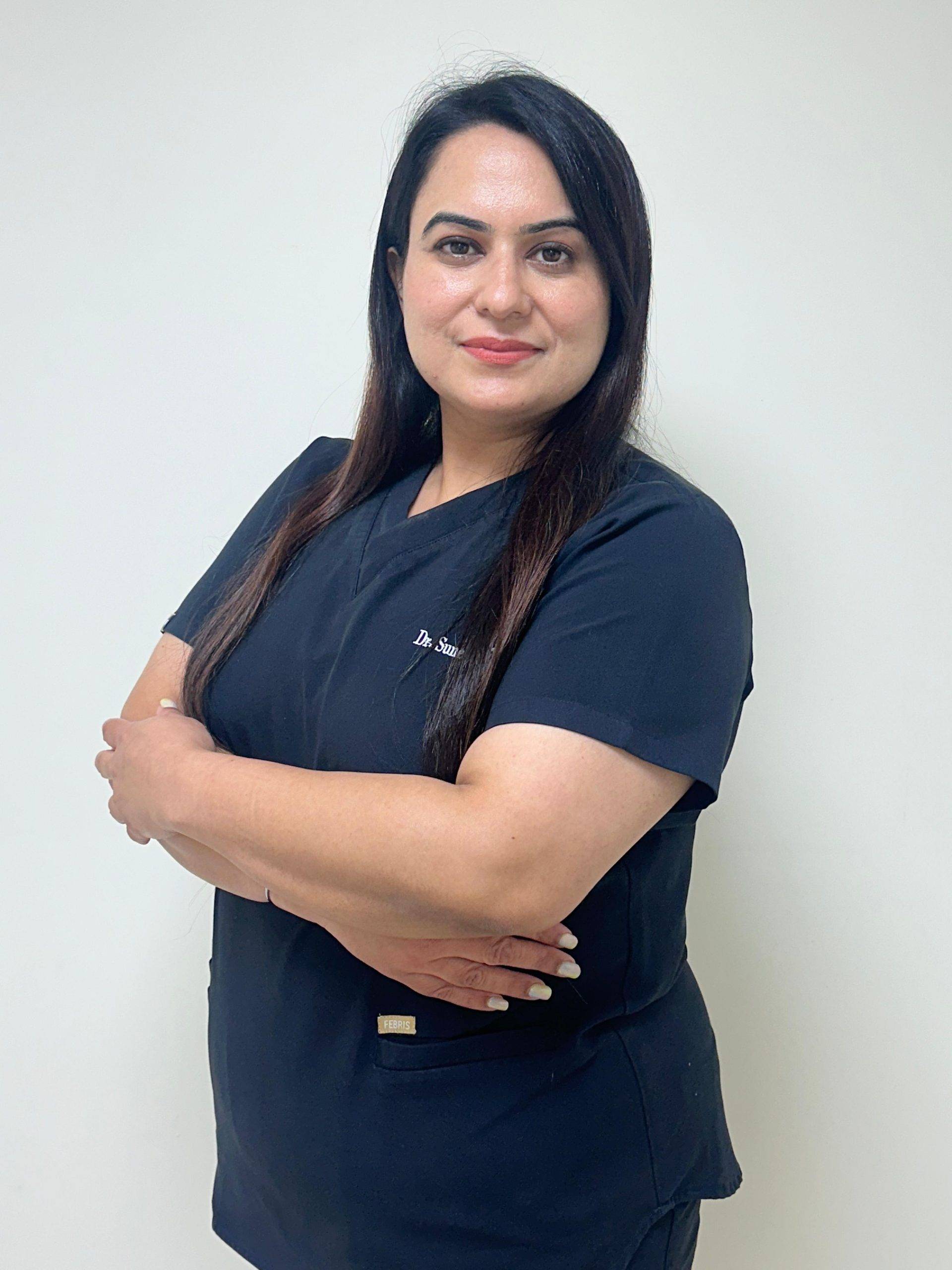
Dr Sunnet Kaur - Gynecologist Delhi - Frequently Asked Questions We understand that couples often have many questions before beginning their fertility journey. As a trusted Gynecologist in Delhi, we aim to provide clear, compassionate, and expert guidance to help you make informed decisions about your treatment options. Here are some frequently asked questions to support you at every step.
Home /FAQ
-
High-Risk Pregnancy Management
Check out answers to frequently asked question
-
Diet & Nutrition Counseling During Pregnancy
Does hypertension produce symptoms?
-
Postpartum Recovery & Care Services
Check out answers to frequently asked question
-
Fibroid Uterus Treatment
Check out answers to frequently asked question
-
Endometrial & Cervical Polyps Removal
Check out answers to frequently asked question
-
Ovarian Cyst Treatment
Check out answers to frequently asked question
-
Gynecological Cancer Screening
Check out answers to frequently asked question
A pregnancy with higher health risks for mother or baby due to age, health conditions, or pregnancy complications.
Women with diabetes, hypertension, thyroid issues, past complications, or multiple pregnancies may need specialized care.
Yes, with regular monitoring, timely investigations, and experienced care from specialists like Dr. Suneet Kaur.
Typically, more frequent visits—weekly or biweekly—depending on the condition and stage of pregnancy.
Yes, in many cases. It depends on the cause and how well the pregnancy is managed.
Follow medical advice strictly, maintain a healthy diet, avoid stress, and attend all scheduled visits.
Yes, she is experienced in managing multiple and assisted reproductive technique (ART) pregnancies.
Yes, including fetal growth scans, Doppler studies, NSTs, and blood tests as per case.
Proper nutrition supports fetal development, reduces complications, and boosts maternal health.
Yes, diet is customized based on trimester, health conditions, weight, and deficiencies.
Absolutely. She provides tailored diet counseling for conditions like GDM, hypothyroidism, and obesity.
Raw meat, unpasteurized dairy, excess caffeine, and certain seafood. Dr. Kaur gives clear guidelines.
Yes. Ideal weight gain varies; too much or too little can indicate complications.
Yes, like folic acid, iron, calcium, and DHA. These are prescribed based on need.
Yes, with proper planning and nutritional balance to meet protein, iron, and B12 needs.
Yes, she offers practical dietary tips to ease morning sickness, bloating, and constipation.
Wound healing, breastfeeding support, diet, emotional health, and follow-up checks for mother and baby.
Usually within 6 weeks after delivery or earlier if there are complications or symptoms.
Yes, including scar care, mobility guidance, and pain management.
Lactation guidance, latching help, and advice on managing low milk supply or nipple pain.
Yes. Dr. Kaur offers emotional support, screening, and refers for counseling if needed.
Yes. You’ll be advised on birth control methods suitable for breastfeeding and recovery phase.
Yes, through safe postpartum diet plans and gradual return to activity.
Yes, pelvic exams and care for tears, infections, or urinary issues are part of the follow-up.
Non-cancerous growths in the uterus that may cause heavy bleeding, pain, or fertility issues.
Heavy periods, pelvic pressure, frequent urination, painful sex, or infertility
Usually not, but they can cause discomfort, anemia, or pregnancy complications
Through pelvic exam, ultrasound, or MRI depending on the case.
Medicines, hormonal therapy, or surgical options like myomectomy or hysterectomy.
Yes, she specializes in minimally invasive and robotic surgeries for fibroids.
Not always. Small or symptom-free fibroids may not need treatment.
They can, especially in younger women, but recurrence depends on the type and surgery.
Small overgrowths in the uterus or cervix lining that can cause bleeding or discharge.
Most are benign, but biopsy is done to confirm after removal.
Irregular periods, spotting, bleeding after intercourse, or discharge.
Via ultrasound, hysteroscopy, or during routine gynecological exam.
No. It’s usually done under local or general anesthesia with quick recovery.
Yes. She offers safe, precise removal with minimal discomfort.
Yes, especially endometrial ones. Their removal can improve chances of conception.
Sometimes. Regular follow-up helps monitor recurrence.
A fluid-filled sac on or in the ovary, common during reproductive years
No. Many are functional and resolve on their own. Some need treatment.
Pelvic pain, bloating, irregular periods, or pain during intercourse.
Usually via pelvic ultrasound or CT scan if required.
No. Many are managed with observation or medicines.
Yes, including laparoscopic and robotic cystectomy.
Some types can. Dr. Kaur provides specialized management for such cases.
Mostly benign, but complex or persistent cysts are evaluated for cancer risk.
Cervical, endometrial (uterine), ovarian, and breast cancer.
A test to detect early signs of cervical cancer by examining cervical cells.
From age 21 or earlier if sexually active; frequency depends on risk.
Yes, to protect against cervical cancer—especially recommended for girls and young women.
Not at all. Most tests like Pap smear and breast exams are quick and safe.
Every 1–3 years depending on your age, test results, and health status.
Yes. Early detection greatly improves treatment success and outcomes.
Dr. Kaur provides advanced follow-up care including colposcopy, biopsy, and treatment plans.