Which Size of Fibroid is Dangerous? Complete Guide for Women
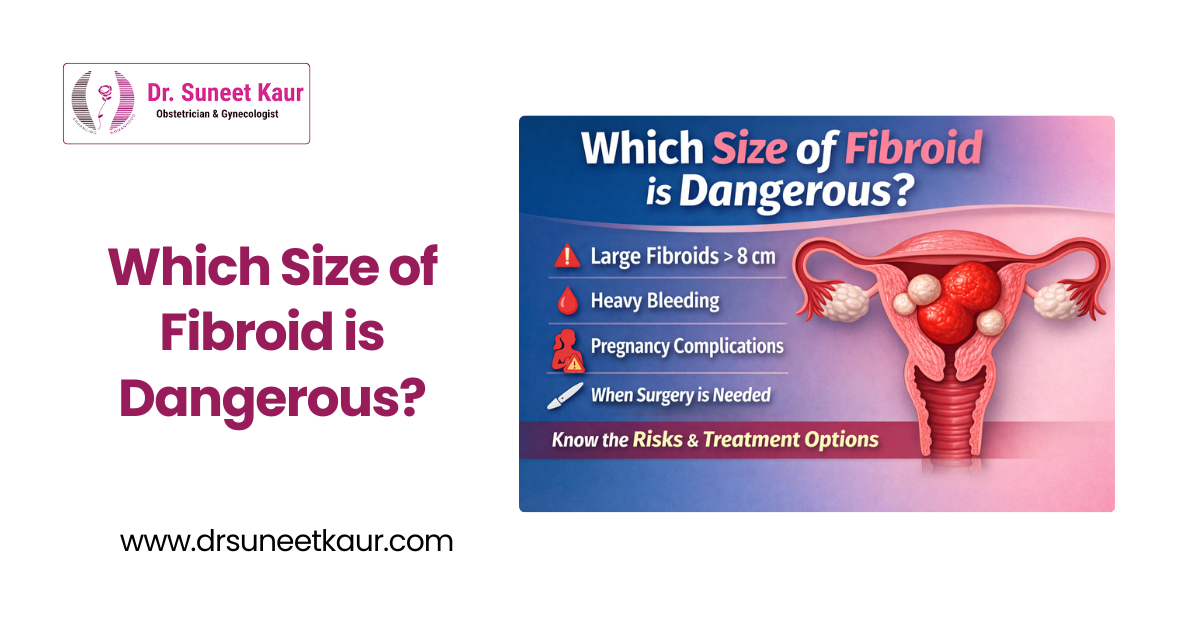

Uterine fibroids are very common among women, especially between the ages of 25 to 45. Many women are diagnosed with fibroids during routine ultrasounds and often panic after hearing about their size. The most common question that arises is which size of fibroid is dangerous and when treatment or surgery becomes necessary.
In this detailed guide, we will clearly explain how big fibroid is dangerous, what size fibroid needs surgery, and fibroid size that affects pregnancy, pain, and bleeding, in simple and easy-to-understand language.
Uterine fibroids (also called leiomyomas) are non-cancerous growths that develop in or around the uterus. They vary greatly in size, number, and location.
Fibroids can be:
As small as a pea (1–2 cm)
As large as a melon (10–15 cm or more)
Not all fibroids are dangerous, but size, symptoms, and location determine their seriousness.
There is no single size that is considered dangerous for every woman. However, fibroids usually become concerning when they:
Grow larger than 5 cm
Cause pain, heavy bleeding, infertility, or pregnancy complications
Press on nearby organs like the bladder or bowel
👉 Generally:
Fibroids less than 4 cm → Usually harmless
Fibroids 5–7 cm → May cause symptoms
Fibroids above 8–10 cm → Often considered dangerous and may need treatment
When discussing which size of fibroid is dangerous in uterus, doctors also consider where the fibroid is located.
Large intramural fibroids (>7 cm) that stretch the uterus
Submucosal fibroids (>3–4 cm) that grow into the uterine cavity
Rapidly growing fibroids, even if size is moderate
These fibroids can cause:
Severe bleeding
Pelvic pressure
Fertility issues
Pregnancy complications
A fibroid becomes dangerous when it starts affecting daily life or health.
Size exceeds 8–10 cm
Causes continuous pelvic pain
Leads to anemia due to heavy bleeding
Presses on bladder causing frequent urination
Compresses rectum causing constipation
👉 So, how big fibroid is dangerous?
Usually above 8 cm, especially with symptoms.
Pain usually depends on size + location.
Above 5 cm – pelvic heaviness
Above 7 cm – lower abdominal pain
Large fibroids may twist (degeneration), causing severe sudden pain
Pain may worsen during:
Periods
Sexual intercourse
Physical activity
Heavy menstrual bleeding is one of the most common symptoms.
Submucosal fibroids as small as 2–3 cm can cause severe bleeding
Fibroids larger than 4–5 cm may cause prolonged periods
Symptoms include:
Periods lasting more than 7 days
Passing large blood clots
Weakness due to low hemoglobin
Not all fibroids require surgery. However, what size fibroid needs surgery depends on symptoms and future pregnancy plans.
Fibroid is larger than 7–8 cm
Rapid increase in size
Severe pain or bleeding
Infertility issues
Pressure on nearby organs
👉 Fibroid size when surgery is required is commonly above 8 cm with symptoms.
Large fibroids (>10 cm)
Fibroids causing repeated miscarriages
Submucosal fibroids affecting uterine cavity
Fibroids unresponsive to medicines
Removal options depend on:
Age
Symptoms
Desire for pregnancy
Fibroids can impact fertility and pregnancy, especially if large.
Above 4–5 cm, especially if inside uterus
Multiple fibroids
Fibroids near cervix or placenta
Possible pregnancy risks:
Difficulty in conceiving
Miscarriage
Preterm delivery
C-section delivery
👉 Read in detail about this here: Fibroids During Pregnancy – Complete Guide
You should consult a gynecologist immediately if you experience:
Heavy bleeding with clots
Severe pelvic pain
Rapidly increasing abdomen size
Difficulty conceiving
Repeated pregnancy loss
For expert consultation, you can visit the Best Gynecologist in Rohini for accurate diagnosis and personalized treatment.
Doctors use:
Ultrasound
Pelvic MRI
These tests help determine:
Exact fibroid size
Location
Number of fibroids
| Fibroid Size | Treatment Option |
|---|---|
| < 4 cm | Observation & medicines |
| 4–6 cm | Medicines / monitoring |
| 7–8 cm | Advanced treatment |
| > 8–10 cm | Surgery (Myomectomy / Hysterectomy) |
Fibroids larger than 8–10 cm, especially with symptoms, are considered dangerous.
Usually fibroids above 7–8 cm or symptomatic fibroids require surgery.
Yes, small submucosal fibroids (2–3 cm) can cause heavy bleeding and infertility.
Fibroids above 4–5 cm, especially inside the uterus, may affect pregnancy.
No. Only fibroids causing symptoms or complications need removal.
Understanding which size of fibroid is dangerous helps women take timely action. Fibroids are common and treatable, especially when diagnosed early. If you experience symptoms like pain, heavy bleeding, or fertility issues, do not ignore them.
Consulting an experienced gynecologist ensures safe and effective treatment.
For expert care, book an appointment with the Best Gynecologist in Rohini today.