Black Pepper During Pregnancy | Health Benefits and Side Effects



Pregnancy is a delicate phase where even the smallest dietary choices matter. Expecting mothers often become extra cautious about spices, herbs, and condiments they use daily. One such commonly used spice is black pepper. While it is a staple in Indian kitchens, many women wonder: Is black pepper safe during pregnancy?
In this detailed guide, we will explore black pepper during pregnancy, its health benefits, possible side effects, the right quantity, and expert advice for safe consumption.
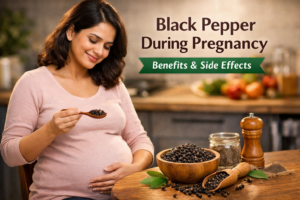
Black Pepper During Pregnancy
Yes, black pepper during pregnancy is generally safe when consumed in moderation. Black pepper (Kali Mirch) is widely used to enhance flavor and improve digestion. It also contains antioxidants and essential nutrients that can support overall health.
However, excessive consumption is not recommended, as it may cause digestive discomfort and other issues. The key lies in balance and moderation.
Black pepper contains several beneficial compounds, including:
Piperine (active compound)
Iron
Potassium
Magnesium
Vitamin C
Dietary fiber
These nutrients can support digestion, immunity, and metabolism when taken in small amounts during pregnancy.
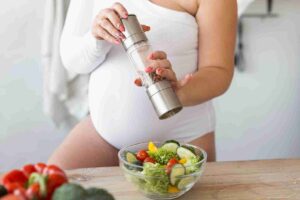
Digestive issues such as bloating, gas, and indigestion are common during pregnancy. Black pepper stimulates digestive enzymes, which helps food break down more efficiently. This can provide relief from mild indigestion.
Black pepper is rich in antioxidants and antibacterial properties. During pregnancy, immunity tends to fluctuate. Including a small amount of black pepper can help strengthen the immune system and protect against minor infections.
Pregnant women often experience seasonal colds but hesitate to take medicines. Black pepper is traditionally used to relieve cold, cough, and sore throat. Pepper-infused soups or warm water with a pinch of black pepper may offer relief.
Iron deficiency is common in pregnancy. Piperine present in black pepper enhances iron absorption from plant-based foods, which may help prevent anemia when consumed along with iron-rich meals.
Mild inflammation and body aches are common during pregnancy. Black pepper has anti-inflammatory properties, which may help in reducing minor aches when included in food.
Black pepper helps stimulate metabolism and prevents excessive fat accumulation. While weight gain is normal during pregnancy, maintaining a healthy metabolism is beneficial.
While black pepper offers several benefits, overconsumption can lead to side effects, such as:
Pregnancy already increases the risk of acid reflux. Excess black pepper may irritate the stomach lining, worsening acidity and heartburn.
Large quantities may cause:
Stomach irritation
Burning sensation
Loose stools
Hence, moderation is essential.
Black pepper is a heat-producing spice. Consuming too much may increase body heat, which is not ideal during pregnancy, especially in the first trimester.
Excessive use may cause throat dryness or irritation, particularly if consumed raw or in strong concoctions.
There is no fixed medical dosage, but experts suggest:
¼ to ½ teaspoon per day (as part of cooked food)
Avoid consuming raw black pepper
Avoid black pepper supplements unless prescribed
Black pepper should always be consumed as part of meals, not on an empty stomach.
Here are safe and healthy ways to include black pepper:
Added to soups and dals
Sprinkled lightly on salads
Mixed in vegetable curries
Added to warm rasam or clear broth
Avoid consuming black pepper in concentrated home remedies unless advised by a doctor.
You should limit or avoid black pepper if you have:
Severe acidity or GERD
Sensitive digestive system
History of preterm labor (consult doctor first)
In such cases, expert guidance from a specialist is crucial.
👉 Consult the Best Gynecologist in Punjabi Bagh for personalized dietary advice during pregnancy.
If you are cautious about spices, you may also want to read about other foods during pregnancy:
These guides help you make informed food choices safely.
According to pregnancy nutrition experts, spices like black pepper do not harm pregnancy when used sparingly. The focus should be on a balanced diet rich in fruits, vegetables, proteins, and whole grains.
If any discomfort is noticed after consuming black pepper, it should be avoided immediately.
For tailored pregnancy diet plans, it is always advisable to consult an experienced gynecologist.
No, black pepper does not cause miscarriage when consumed in small amounts as part of food. Problems may arise only with excessive intake.
Yes, it is safe in minimal quantities. However, if nausea or acidity worsens, it should be limited.
It is better to avoid strong pepper water. Mild use in cooked food is safer than concentrated drinks.
In some women, black pepper may aid digestion, but in others, it can worsen nausea. Individual tolerance varies.
Black pepper during pregnancy is safe and beneficial when consumed in moderation. It can support digestion, immunity, and nutrient absorption. However, excessive intake should be avoided due to the risk of acidity and digestive irritation.
Every pregnancy is unique. If you are unsure about including black pepper or any spice in your diet, seeking expert advice is the safest choice.
👉 For expert pregnancy care and dietary guidance, consult the Best Gynecologist in Punjabi Bagh and ensure a healthy, worry-free pregnancy journey.

 Optimized by Seraphinite Accelerator

