Apricot During Pregnancy – Benefits and Risks

Pregnancy is a phase where every food choice matters. Expecting mothers often search for safe and nutritious fruits that can support the baby’s healthy growth. One such fruit that creates curiosity is apricot during pregnancy. Packed with vitamins, minerals, fiber, and antioxidants, apricots can be an excellent addition to a pregnancy diet—if consumed correctly.
In this blog, we will discuss apricot benefits during pregnancy, risks, precautions, first-trimester consumption, and the right way to include them in your daily routine.
Yes, apricots are generally safe for pregnant women when consumed in moderation. They are rich in Vitamin A, Vitamin C, fiber, beta-carotene, iron, and potassium, making them a highly nutritious choice.
However, like all foods, apricots also have certain precautions that expecting mothers should be aware of.
If you want personalized guidance on your pregnancy diet, consult the Best Gynecologist in Punjabi Bagh for expert advice.
Here are the major apricot benefits during pregnancy that support both maternal and fetal health:
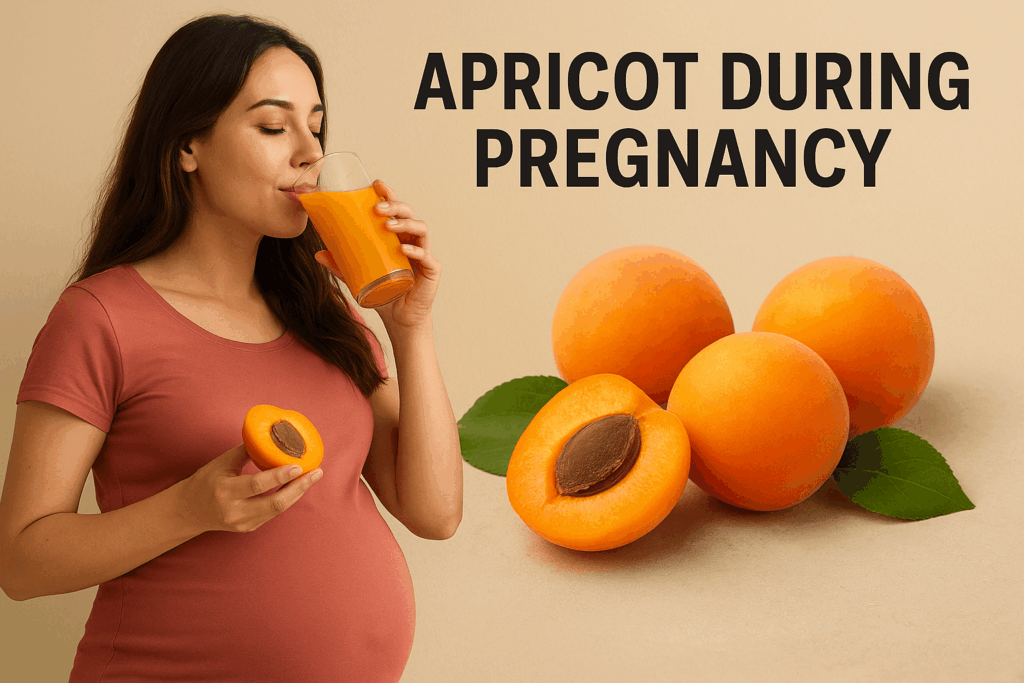
Iron deficiency is extremely common during pregnancy. Apricots contain natural iron and non-heme iron, which supports hemoglobin production, reducing the risk of anemia. Pairing apricots with Vitamin C-rich foods like oranges enhances absorption.
Apricots contain beta-carotene, which converts into Vitamin A. This nutrient plays a vital role in:
Healthy cell development
Eye and vision formation
Baby’s immune system development
This makes apricots excellent for fetal growth and development.
Apricots contain Vitamin C, antioxidants, and phytonutrients that strengthen immunity, which is important to protect pregnant women from infections.
Constipation is a major concern during pregnancy. The fiber content in apricots improves bowel movement, supports gut health, and reduces the chances of digestive issues.
Potassium present in apricots regulates blood pressure and prevents water retention or swelling. This also helps prevent pregnancy complications like hypertension.
Apricots contain natural sugars like glucose and fructose that provide sustained energy without spiking blood sugar levels drastically.
Hormonal changes during pregnancy may affect the skin. Apricots contain antioxidants that protect skin cells and help maintain a natural glow.
Many women specifically ask whether it’s safe to eat apricots during pregnancy first trimester.
Reduce fatigue due to iron content
Support fetal organ development
Reduce nausea due to light sweetness and fiber
Provide essential vitamins needed during early pregnancy
However, due to some minor risks (explained below), it’s important to avoid overconsumption.
A safe serving size is:
2–3 fresh apricots per day
OR
4–5 dried apricot pieces per day
This ensures optimal nutrition without crossing the recommended limits of Vitamin A or sugar.
Many mothers ask: “Can eat apricot during pregnancy?”
Yes, you can eat apricots during pregnancy, but you must follow certain precautions:
Wash thoroughly to remove pesticide residue
Remove the seeds (kernels)
Consume in moderation
Prefer fresh apricots over overly sweetened dried ones

While apricots are healthy, excessive consumption or incorrect usage can create small risks.
Apricot kernels contain amygdalin, which can convert into cyanide when consumed. Never eat apricot seeds during pregnancy.
Apricots contain beta-carotene (a safer form of Vitamin A), but too much Vitamin A from any source can be harmful.
Stick to the recommended serving size.
Like most fruits, apricots may contain chemical pesticides.
Wash the fruit thoroughly or choose organic apricots.
Dried apricots are higher in sugar and calories.
Pregnant women with gestational diabetes should consume them in limited quantities.
Since apricots are high in fiber, eating too many may cause:
Gas
Bloating
Stomach discomfort
Moderation is key.
Here are safe and healthy ways to consume apricots:
✔ Fresh apricots (best option)
✔ Add to morning oatmeal
✔ Mix with yogurt
✔ Add small amounts to smoothies
✔ Use in salads
✔ Add chopped dried apricots to trail mixes
Avoid apricot jams or preserves with high sugar.
Dried apricots are:
High in iron
High in fiber
Great energy boosters
However, they also contain concentrated sugar.
So if you consume dried apricots, limit to 4–5 pieces per day.
Calories – 48
Carbohydrates – 11g
Fiber – 2g
Vitamin A – 96% DV
Vitamin C – 12% DV
Iron – 2% DV
Potassium – 6% DV
This combination makes apricots a pregnancy-friendly superfruit.
Avoid apricots if you have:
Severe acidity or gastritis
Gestational diabetes (avoid dried apricots)
Allergy to stone fruits (like peaches or plums)
If you experience itching, rash, vomiting, or discomfort, stop consumption and consult your doctor.
Maintaining healthy fetal weight is crucial during pregnancy.
If you’re concerned about your baby’s weight, you can read:
Apricots contribute to healthy fetal growth due to their iron and vitamin content.
Apricots are a nutritious and delicious fruit that offer several benefits during pregnancy—from boosting hemoglobin levels to supporting the baby’s growth and improving digestion.
However, like all foods, moderation is important. Avoid the seeds, wash the fruit well, and do not overconsume dried apricots.
If you want expert dietary guidance tailored to your pregnancy needs, consult the Best Gynecologist in Punjabi Bagh for personalized advice.